Top Korean Interior Designers to Follow on Instagram
- Two tenant households spent ₩15-20 million (approximately $11,000-$15,000 USD) on interior design for their rented homes in Seoul, despite not owning the properties.
Last updated: April 2026
Affiliate Disclosure: We may earn a commission when you purchase through our links. This does not affect our editorial independence.
Quick Answer
- Two tenant households spent ₩15-20 million (approximately $11,000-$15,000 USD) on interior design for their rented homes in Seoul, despite not owning the properties.
- Small decorations and smart appliances are key areas where tenants can make significant changes without needing landlord approval.
- Over 6,300 photos on Today's House showcase various renter-friendly interior transformations, highlighting creative solutions for temporary spaces.
- The "Fundamentalism" trend for 2026 emphasizes timeless design, core values, and stability over fleeting styles, as identified in "Trend Korea 2026."
Korean interior design is entering an exciting phase in 2026, marked by a strong emphasis on functionality, smart technology, sustainability, and personal comfort. This shift reflects a desire among homeowners and even renters for integrated living environments that offer both aesthetic appeal and practical benefits. A significant trend shaping this landscape is "Fundamentalism," which prioritizes enduring values and classic designs that resist the rapid changes of modern life. This approach, outlined in the "Trend Korea 2026" report by Seoul National University Professor Kim Nan-do's research team, suggests a move away from transient styles towards spaces that provide stability and intrinsic beauty. Interestingly, even tenants in Korea are investing heavily in these trends, with some spending up to ₩20 million (around $15,000 USD) on personalizing their rented homes, demonstrating a deep commitment to their living environments.
What Are the Key Trends for Korean Interior Design in 2026?
The key trends for Korean interior design in 2026 are deeply rooted in creating integrated environments that prioritize functionality, smart technology, sustainability, and comfort. This reflects a broader shift in consumer preferences towards living spaces that are not only aesthetically pleasing but also highly adaptable and enduring. Designers in the competitive Korean market need a clear understanding of these elements to shape the next generation of residential spaces.
The "Fundamentalism" trend, highlighted in the "Trend Korea 2026" report by Seoul National University Professor Kim Nan-do's research team, is a cornerstone of this movement. This report, which introduces 10 consumer keywords for the coming year, underscores the importance of unchanging values in an era of rapid technological advancement, particularly with the rise of AI. Fundamentalism encourages focusing on forms and functions that remain appealing over time, rather than chasing fleeting trends. This means a renewed appreciation for classic designs, traditional crafts, and analog aesthetics. There's also a growing sentiment of "Anemoia" – a nostalgia for past eras one has not personally experienced – which further broadens interest in authentic and original elements.
In our analysis, we see this trend manifesting in several ways. Homes are becoming sanctuaries that offer stability and comfort, moving beyond mere functionality to provide emotional well-being. The emphasis is on creating spaces that support the basic principles of daily life, with materials and designs chosen for their longevity and timeless appeal. For instance, designers are increasingly incorporating natural materials, neutral color palettes, and simple, clean lines that characterize minimalist aesthetics. This approach ensures that homes remain relevant and comforting even as external trends evolve.
Another significant aspect of the 2026 trends is the seamless integration of smart technology. While AI is rapidly transforming daily life, the human element remains central. Smart home systems are designed to enhance convenience and comfort without overwhelming the living space with overt technology. This includes features like remote control for lighting, temperature, security, and entertainment, all managed with intuitive, one-touch systems. The goal is to create a sophisticated yet understated technological infrastructure that supports daily living, rather than dominating it.
Sustainability also plays a crucial role. As environmental awareness grows, Korean interior design is increasingly incorporating eco-friendly materials and energy-efficient solutions. This includes choices in flooring, paint, and furniture that are durable, non-toxic, and sourced responsibly. The focus on lasting value inherent in "Fundamentalism" naturally aligns with sustainable practices, as it encourages investing in quality products that reduce the need for frequent replacements.
Furthermore, the desire for comfort extends to personalized spaces that reflect individual tastes and needs. Even in rented properties, tenants are finding creative ways to personalize their environments, demonstrating a deep commitment to their immediate surroundings. This often involves focusing on easily reversible changes and strategic decorative elements that transform a space without permanent alterations. The overall direction for 2026 is about crafting homes that are not just places to live, but fundamental pillars of well-being, designed with a thoughtful balance of tradition, innovation, and personal touch.
Many of the designers featured here pull from local sources, so pair this list with our breakdown of the 10 Best Korean Furniture Brands for Apartment Style [2026 Translated] when shopping the look.
Can You Personalize a Rented Home in Korea?
Yes, you can personalize a rented home in Korea, but there are clear distinctions between what changes are permitted freely and what requires landlord approval. Tenants have the freedom to transform their living spaces to a significant extent, particularly through the strategic use of furniture, appliances, and small decorative items. These types of alterations generally do not necessitate prior consent from the landlord, allowing renters to infuse their personal style into their temporary homes.
However, any major structural changes or permanent modifications to the property require explicit written consent from the landlord. This includes actions such as painting walls a different color, replacing existing flooring, or altering the layout of rooms by adding or removing partitions. The reason for this strict requirement stems from the landlord's legal right to demand that the property be restored to its original condition at the tenant's expense upon the termination of the lease agreement. This "original condition restoration" clause means tenants do not have the right to undertake "major repairs" like demolishing walls or changing bathroom tiles, even if they wish to improve the home's overall condition.
Given these limitations, tenants who want to personalize their rented spaces effectively are advised to focus on solutions that are easily reversible. This means prioritizing furniture that can be assembled and disassembled without damage, choosing removable wallpaper or temporary wall decals over paint, and opting for floor overlays that can be easily installed and removed. These approaches allow for significant aesthetic changes without violating lease terms or incurring substantial restoration costs at the end of the tenancy.
For instance, instead of painting, tenants can use large fabric tapestries, temporary peel-and-stick wallpaper, or even modular wall panels that can be taken down when moving out. For flooring, self-adhesive vinyl tiles or interlocking floor mats offer a quick and removable way to change the look of a room. When it comes to furniture, selecting pieces that are versatile and can adapt to different layouts is beneficial, as they can be easily rearranged or moved to a new home.
Moreover, the emphasis on small, impactful changes allows for creativity within the constraints of a rental agreement. Items like lighting fixtures that can be easily swapped, portable kitchen islands, or freestanding storage units offer functional and aesthetic upgrades without permanent installation. This mindful approach to interior design in rented properties ensures that tenants can create a comfortable and personalized environment while respecting their contractual obligations. The key is to think strategically about temporary solutions that offer maximum visual impact and personal satisfaction.
What Small Decor Changes Make a Big Impact in Rented Spaces?
Small decorations and strategic changes can make a surprisingly big impact in rented spaces, often without requiring landlord approval. These minor alterations allow tenants to significantly personalize their homes, enhancing both aesthetics and functionality. For instance, adding shelves, hanging artwork, or introducing new carpets are simple ways to refresh a room's appearance. These items do not alter the building's structure or facilities, making them ideal for renters.
In compact urban living spaces, where the kitchen often serves as the heart of the home, updating its elements can bring new life to the entire apartment. If a full renovation isn't possible, focusing on stylish finishes, minimalist designs, and smart appliances can make a substantial difference. Maison Korea suggests, "If you can't change everything, consider stylish finishes, minimalist designs, and smart appliances, which are current trends" (translated from Korean). This could involve adding a portable kitchen island for extra counter space and storage, as seen in many transformations shared on Today's House. One user noted how a purchased island solved both cooking space and storage issues in their 30-pyeong (approximately 1,000 sq ft) rented home, allowing for flexible configurations like a straight line or L-shape Today's House Renter Interior Photos.
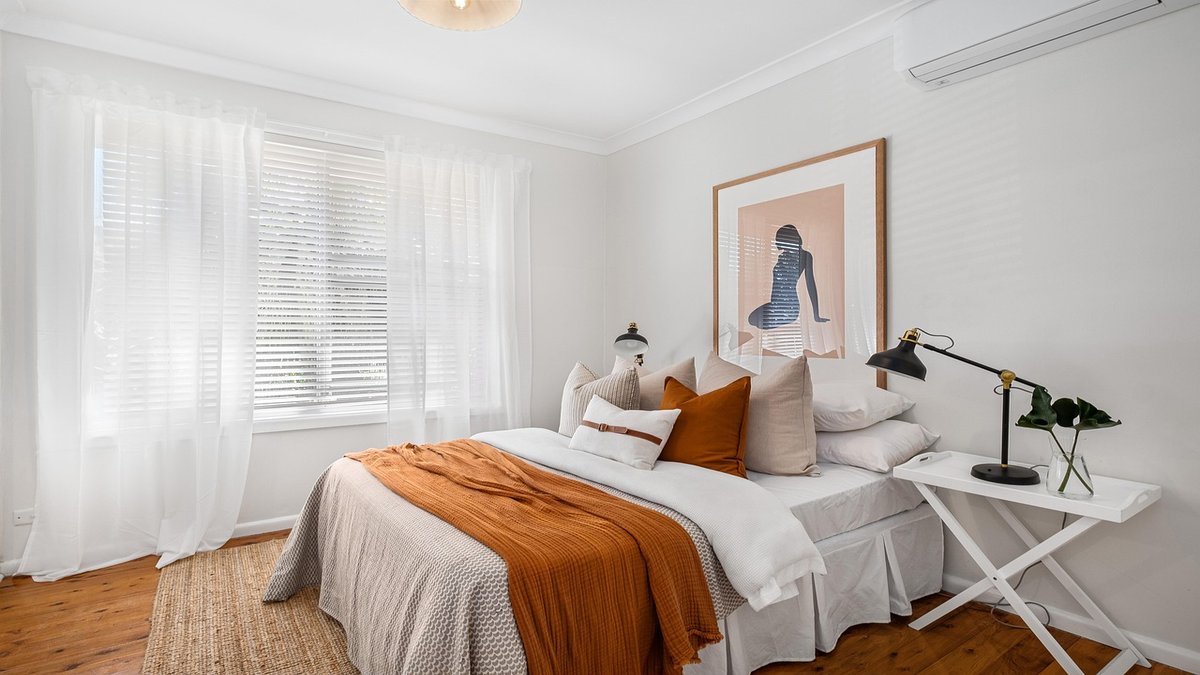
Bedroom lighting is another area where small changes yield significant results. Beyond its functional purpose, light provides unique coziness and design accents. Utilizing long pendant lights, mood lights, or wall lights can create a much warmer and inviting bedroom atmosphere. For a more modern touch, recessed lighting that doesn't require visible wiring can be considered. Spotlights can highlight specific areas or artworks, while indirect lighting can add mood to dressing rooms, shelves, shoe cabinets, and bathrooms, illuminating various corners of the home.
Even seemingly minor elements like door handles, wall switches, and intercom covers can be updated to align with a desired aesthetic. Many renters on Today's House share how they've tackled these details without major construction, opting for installable or self-construction methods. For example, some have created a "self-made" mid-door using non-drilling partitions and curtains to address dust and privacy concerns in a rented home, transforming the entrance with a white arched partition and French-style curtains. This not only improved dust blockage and insulation but also brightened the overall interior atmosphere.
Furthermore, home styling alone can dramatically change a space, as demonstrated by many "before and after" examples. One Today's House user transformed a dark, separated kitchen into a warm, cozy wood-themed space using only home styling elements like a warm-toned rug, vintage check curtains, and beige tile sheets. They then added oak-toned wood furniture to complement existing cherry moldings and natural plants to enhance the atmosphere. These examples underscore that even without structural changes, a thoughtful selection of decor and easily reversible elements can create a deeply personalized and impactful living environment.
Lighting is one of the easiest tweaks here — see our guide to the Best Korean Lighting Brands for the Glass-Skin Apartment Look for the brands these designers actually spec.
How Are Smart Home Technologies Shaping Korean Interiors?
Smart home technologies are profoundly shaping Korean interiors by integrating advanced functionality with sophisticated design, moving beyond mere utility to create truly connected and convenient living spaces. Modern smart appliances are no longer just functional tools; they boast evolved hardware and elegant designs, becoming seamless parts of the home aesthetic. This integration includes everything from temperature and lighting control to security and entertainment systems, all managed through intuitive smart home platforms.
The primary appeal of these systems lies in their ability to provide remote control over various home functions, offering one-touch convenience for daily life. For example, residents can use a smartphone app to adjust lighting, control gas and heating, manage air conditioning, monitor standby power, and activate ventilation systems, even when they are away from home. This level of control enhances comfort, energy efficiency, and security, making daily routines smoother and more efficient.
In newly constructed apartments, smart home Internet of Things (IoT) systems are often pre-installed, allowing residents to manage their environment from their mobile phones. Before moving in, it's common practice to test these systems externally to ensure full functionality. This includes verifying that lighting, gas, heating, and other controls respond correctly from outside the apartment. This seamless integration ensures that residents can take full advantage of their smart home capabilities from day one.
Beyond central controls, individual smart appliances also contribute to this connected ecosystem. Refrigerators with built-in screens, smart air purifiers, and robotic vacuum cleaners are becoming commonplace, offering advanced features that simplify household tasks. These devices are designed not only for performance but also to blend aesthetically with modern interior designs, often featuring minimalist looks and sleek finishes. This focus on design means that smart technology enhances the home's appearance rather than detracting from it.
The adoption of smart home technology also aligns with the broader trend towards "Fundamentalism" in interior design. While seemingly contradictory, the thoughtful implementation of smart systems supports the core values of stability and comfort by making homes more efficient and easier to manage. By automating routine tasks and providing greater control over the environment, smart technology frees up residents' time and reduces daily stressors, contributing to a more tranquil and well-ordered living space. This focus on practical benefits and streamlined living is a key reason why smart home technologies are becoming an indispensable part of Korean interior design.
Why Are Some Tenants Investing Heavily in Rented Home Interiors?
Some tenants in Korea are investing significant personal funds into the interiors of their rented homes due to a strong desire for personalized living spaces and a high value placed on their residential environment, even if temporary. This trend might seem counterintuitive, given that the investment will not yield financial returns upon moving out, but it reflects a deeper psychological need for comfort and self-expression within one's immediate surroundings.
A striking example of this trend appeared in a post on Blind, a South Korean professional community forum. The post, dated March 6, 2022, garnered 1,081 views and 17 comments, discussing instances where tenants spent their own money on rented home interiors Blind post on tenant interior spending. The original poster recounted how two tenant households in old 10-pyeong (approximately 350 sq ft) villas in Seoul each spent between ₩15 million and ₩20 million (roughly $11,000 to $15,000 USD) on renovations. These tenants did not expect reimbursement from their landlords, indicating that the investment was purely for their own satisfaction during their stay. For more details, see Renter's Interior Guide on Maison Korea.
Commenters on the Blind post offered various explanations for this behavior. One user remarked, "It's not about showing off, but some people can't stand it if their living space, where they spend the most time, isn't to their liking" (translated from Korean). This highlights a fundamental desire for comfort and aesthetic alignment in their primary living environment. For these individuals, the quality of their immediate surroundings directly impacts their well-being and daily mood, making the investment worthwhile, regardless of ownership status.
Another perspective suggested that for some, even after spending a considerable amount on renovations, the improved rented home might still be a better option than a more expensive, unimproved property. This implies a strategic calculation where the added cost of interior design creates a living experience superior to what they could afford if they bought a higher-priced home outright. If a ₩100 million home with a ₩20 million renovation feels better than a ₩150 million home without one, the choice becomes clear for those prioritizing immediate living quality.
This trend also reflects the pervasive influence of platforms like Today's House (Ohou.se), where stunning home makeovers are frequently showcased. These platforms inspire many to envision and pursue their ideal living spaces, even within the constraints of a rental agreement. The desire to create a "cozy home" or a "living room" that aligns with personal aesthetic goals, such as a "spring-themed home decor," motivates tenants to invest in their surroundings.
Ultimately, the decision to heavily invest in a rented home's interior is a personal one, driven by a strong emphasis on self-satisfaction and the importance of one's living environment. For these tenants, the emotional and experiential benefits of a beautifully designed space outweigh the financial impermanence of the investment.
What are the Tenant's Responsibilities and Rights Regarding Interior Changes?
Tenants in Korea have specific responsibilities and rights concerning interior changes, primarily centered on maintaining the property and adhering to the "original condition restoration" principle. During the lease term, tenants are legally obligated to properly maintain and manage the home. This means ensuring the property remains in good condition, and any damage beyond normal wear and tear is addressed.
Normal wear and tear, such as natural fading of wallpaper or paint over time, or minor marks from installed frames, is generally not the tenant's responsibility. These are considered typical signs of prolonged occupancy. However, tenants are directly responsible for the replacement of consumables within the home. More significantly, any damage resulting from the tenant's actions or negligence, such as scratches on furniture, holes in walls, or residue from tape, must be repaired and restored to its original state before the tenant vacates the property.
The "original condition restoration" clause is a critical aspect of Korean rental agreements. This principle dictates that when the lease concludes, the property must be returned to the landlord in the same condition it was received, excluding normal depreciation. If a tenant makes changes like painting walls a specific color or replacing carpets, they are then responsible for the costs and labor of reversing these changes. For example, if a tenant paints a wall red, they must repaint it to the original color, fill any holes, and reapply silicone where necessary. Failure to comply with these obligations can lead to the landlord deducting repair costs from the security deposit. Therefore, it is crucial for tenants to thoroughly inspect the property before moving out and undertake any necessary restoration work themselves to prevent a reduction in their deposit.
Regarding rights, tenants do have the right to personalize their living space with easily removable and non-structural decorations. As Maison Korea notes, small decorations like shelves, paintings, and new carpets do not require landlord approval and can significantly alter the home's appearance. However, any "major repairs" or structural alterations, such as demolishing partition walls or changing bathroom tiles, are not within the tenant's rights without the landlord's written consent.
Negotiating with landlords for improvements is also a possibility. If repairs are needed due to functional defects like heating issues, hygiene problems, or structural breakdowns, tenants can discuss financial support from the landlord. Since improving the home's condition benefits both parties, combining necessary repairs with desired interior upgrades can be a viable strategy. Ultimately, understanding and adhering to the specific terms of the real estate contract, especially any special clauses, is paramount for tenants to ensure a smooth tenancy and avoid disputes over restoration costs.
How Can Tenants Negotiate for Home Improvement Support?
Tenants in Korea can negotiate for home improvement support from their landlords, especially when the proposed changes address functional defects or enhance the property's overall condition, benefiting both parties. While major alterations typically require landlord consent and tenant expense for restoration, there's a window for negotiation when the improvements align with the landlord's interests.
One effective approach is to link desired interior upgrades with necessary repairs. If a home requires maintenance due to functional issues like a broken heating system, hygiene problems, or inadequate insulation, these situations present an opportunity to discuss broader improvements. Since landlords have an interest in maintaining the property's value and habitability, they might be open to contributing financially to improvements that go beyond basic repairs, particularly if these enhancements improve the home's long-term appeal or functionality. Maison Korea suggests that when repairs are needed, it's a good time to consider and coordinate interior design changes together with the landlord Renter's Interior Guide on Maison Korea.
When initiating such a negotiation, tenants should clearly articulate how the proposed improvements will benefit the property. For example, upgrading outdated light fixtures to energy-efficient recessed lighting not only modernizes the space but could also reduce utility costs, making the property more attractive to future tenants. Similarly, investing in more durable flooring or improved kitchen finishes could increase the property's market value. Presenting a clear plan, possibly with cost estimates and visual examples, can help the landlord envision the positive impact.
It is crucial for tenants to understand their rights and obligations as outlined in their lease agreement. Any agreement regarding shared costs or landlord contributions for improvements should be documented in writing to avoid future misunderstandings. This written agreement should detail the scope of work, the financial contribution from each party, and who is responsible for restoration upon lease termination, if applicable.
Furthermore, focusing on improvements that are considered "minor" or easily reversible might make landlords more amenable to negotiation. For instance, rather than requesting a full kitchen remodel, proposing an upgrade to a portable kitchen island or new cabinet hardware might be more palatable. These smaller changes can significantly enhance the living experience without permanent alterations that trigger the "original condition restoration" clause.
Ultimately, successful negotiation hinges on mutual respect and a clear understanding of how the proposed improvements serve both the tenant's desire for a better living space and the landlord's interest in maintaining or enhancing their property. By approaching the discussion with a well-thought-out proposal and a collaborative spirit, tenants can often secure support for home improvements that might otherwise be out of reach.
Frequently Asked Questions
What is 'Fundamentalism' in Korean interior design for 2026?
'Fundamentalism' in Korean interior design for 2026 refers to a trend that prioritizes unchanging values, timeless forms, and core functions over fleeting styles. This approach, highlighted in the "Trend Korea 2026" report, emphasizes stability, comfort, and intrinsic beauty, drawing inspiration from classics, traditional crafts, and analog aesthetics to create enduring and meaningful living spaces 2026 Interior Design Trends from LX Z:IN.
Can tenants make major renovations in a rented Korean home?
Tenants cannot make major renovations like painting walls, replacing flooring, or altering room layouts without the landlord's written consent. Landlords have the right to demand the property be restored to its original condition at the tenant's expense upon lease termination. Tenants should focus on easily reversible changes such as furniture, removable wallpaper, and simple floor overlays.
What kind of interior changes are allowed in a 'Jeonse' (lump-sum deposit) home?
In a 'Jeonse' home, tenants can freely change furniture, appliances, and small decorations like shelves, paintings, and carpets without landlord approval. These changes do not alter the building's structure and can significantly personalize the space. However, major structural changes or permanent fixtures require the landlord's written consent.
How much are tenants spending on average for rented home interiors in Korea?
While there isn't an average figure across all tenants, some individuals are making significant investments. For example, two tenant households in Seoul spent between ₩15-20 million (approximately $11,000-$15,000 USD) each on interior design for their rented villas, not expecting reimbursement from their landlords Blind post on tenant interior spending. This highlights a strong desire for personalized living spaces.
What are some smart home features popular in Korean interior design?
Popular smart home features in Korean interior design include systems that remotely control temperature, lighting, security, and entertainment. Modern smart appliances offer advanced functionality with sleek designs. These systems provide one-touch convenience for daily life, integrating seamlessly into the home environment to enhance comfort and efficiency.
Sources
- https://www.maisonkorea.com/interior/2023/12/%EB%8B%A8%EA%B3%84%EB%B3%84%EB%A1%9C-%EC%95%8C%EC%95%8C%EB%B3%B4%EB%8A%94-%EC%A0%84%EC%85%8B%EC%A7%91-%EC%9D%B8%ED%85%8C%EB%A6%AC%EC%96%B4/
- https://www.teamblind.com/kr/post/%EC%A0%84%EC%84%B8%EC%9D%B8%EB%8D%B0-%EC%82%AC%EB%B9%84%EB%A1%9C-%EC%9D%B8%ED%85%8C%EB%A6%AC%EC%96%B4-%ED%95%98%EB%8A%94-%EC%82%AC%EB%9E%8C%EB%93%A4-w20FcmvW
- https://ohou.se/cards/feed?query=%EC%A0%84%EC%84%B8%20%EC%9D%B8%ED%85%8C%EB%A6%AC%EC%96%B4
- https://www.lxzin.com/styling/style-trend/detail/8180
Related Reading
- Top 10 Korean Interior Trends for 2026
- Korean Cottagecore Interior Trends
- Best 2026 Korean Interior Trends Ranked
- Korean French Style Interior Design Trends
- Korean Dark Moody Interior Trends
— The Self Interior Team