Best Ohouse Open Concept Layouts
- Ohouse features over 11,405 popular interior design photo results, many highlighting open concepts for various room sizes [https://ohou.se/cards/feed?query=%EC%9D%B8%EA%B8%B3%EC%9D%B8%ED%85%8C%EB%A6%AC%EC%96%B4].
Last updated: April 2026
Affiliate Disclosure: We may earn a commission when you purchase through our links. This does not affect our editorial independence.
Quick Answer
- Ohouse features over 11,405 popular interior design photo results, many highlighting open concepts for various room sizes [https://ohou.se/cards/feed?query=%EC%9D%B8%EA%B8%B3%EC%9D%B8%ED%85%8C%EB%A6%AC%EC%96%B4].
- One-room (원룸) apartment designs on Ohouse have over 12,339 photo results, frequently showcasing open layouts [https://ohou.se/cards/feed?query=%EC%9B%90%EB%A3%B8%EC%A7%91%EB%93%A4%EC%9D%B4].
- The 'half-and-half living room' concept, which separates a child's play area from an adult relaxation zone, was a popular layout in 2025 [https://ohou.se/cards/feed?query=%EC%9D%B8%EA%B8%B0%EC%9D%B8%ED%85%8C%EB%A6%AC%EC%96%B4].
- Moving trolleys and modular storage are key items for flexible open spaces, with one popular trolley being described as a 'best buy' [https://ohou.se/cards/feed?query=%EC%9D%B8%EA%B8%B0%EC%9D%B8%ED%85%8C%EB%A6%AC%EC%96%B4, https://ohou.se/cards/feed?query=%EC%9B%90%EB%A3%B8%EC%A7%91%EB%93%A4%EC%9D%B4].
Korean interior design, as showcased on the popular lifestyle super-app Ohouse, frequently embraces open concept layouts to create functional and aesthetically pleasing homes. These designs range from expansive family spaces to efficient solutions for compact urban apartments. Ohouse's platform, which features over 11,405 popular interior design photo results, highlights how open concepts are adapted across various living situations [https://ohou.se/cards/feed?query=%EC%9D%B8%EA%B8%B0%EC%9D%B8%ED%85%8C%EB%A6%AC%EC%96%B4]. Many of these layouts focus on maximizing light, flow, and perceived space, making them particularly appealing in smaller residences, such as the 5-pyeong and 6-pyeong one-room apartments that are common in Korea. With more than 12,339 photo results dedicated to 'one-room apartment housewarming' designs, Ohouse demonstrates a strong community interest in optimizing these spaces through open planning [https://ohou.se/cards/feed?query=%EC%9B%90%EB%A3%B8%EC%A7%91%EB%93%A4%EC%9D%B4]. The trends observed on Ohouse reflect a desire for versatile living areas that can adapt to changing needs, often incorporating multi-functional furniture and thoughtful material choices to enhance both style and practicality.
What are the Most Popular Open Concept Trends on Ohouse?
The most popular open concept trends on Ohouse are characterized by a focus on clean lines, organized spaces, and multi-functional elements that enhance both aesthetics and utility. These designs aim to create an expansive feeling within homes, regardless of their actual size, by minimizing physical barriers and maximizing visual flow. The platform itself serves as a vast repository of inspiration, showcasing over 11,405 photo results for 'popular interior' designs, many of which embody these open-plan principles [https://ohou.se/cards/feed?query=%EC%9D%B8%EA%B8%B0%EC%9D%B8%ED%85%8C%EB%A6%AC%EC%96%B4]. This extensive collection demonstrates a widespread preference for interiors that feel airy, bright, and uncluttered.
Embracing a 'Neat Interior' Aesthetic
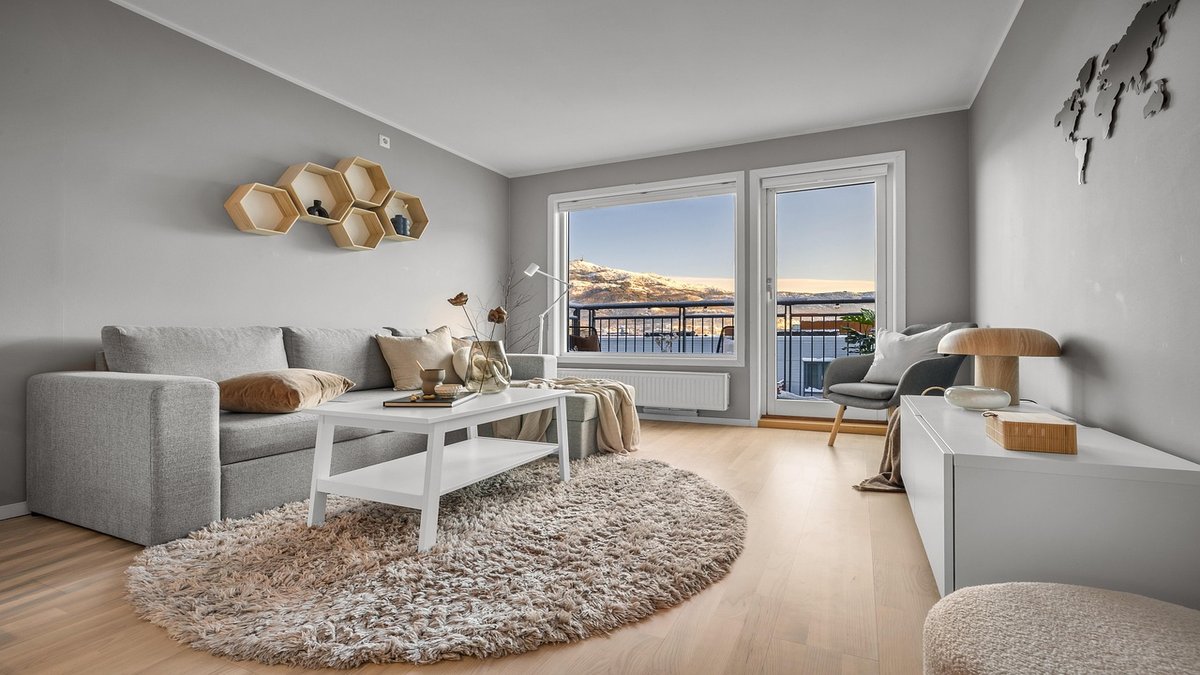
A core aspect of popular open concepts on Ohouse is the emphasis on a 'neat interior' aesthetic. This trend reflects a desire for living spaces that are not only visually appealing but also highly organized and easy to maintain. Open layouts naturally lend themselves to this, as fewer walls mean fewer enclosed spaces for clutter to accumulate unseen. Instead, visible areas are designed with intentionality, often utilizing smart storage solutions that integrate seamlessly into the overall design. For instance, integrated storage units and minimalist furniture pieces are frequently chosen to support this clean look. The aesthetic often leans towards neutral color palettes, such as whites, grays, and natural wood tones, which further contribute to a sense of calm and order. This meticulous approach ensures that even in an open setting, every item has its place, contributing to a harmonious environment. The pursuit of a tidy and well-arranged home is evident across numerous posts, with users frequently sharing tips on how to keep their open spaces looking pristine.
Multi-functional Furniture as a Cornerstone
Multi-functional furniture plays a pivotal role in popular open concept designs, offering flexibility and efficiency. In spaces where distinct rooms are minimized, furniture must often serve more than one purpose or be easily reconfigured. Items like mobile trolleys and modular storage units are prime examples of this trend. These pieces allow residents to adapt their living areas to different activities throughout the day, whether it's setting up a temporary workspace, creating a cozy reading nook, or preparing for entertaining guests. One popular trolley, for example, was highlighted for its ample storage capacity for items like cosmetics, gadgets, and stationery, alongside its smooth-rolling wheels and ability to be fixed in place [https://ohou.se/cards/feed?query=%EC%9B%90%EB%A3%B8%EC%A7%91%EB%93%A4%EC%9D%B4]. This versatility makes it a highly valued item in open layouts, where maximizing every square inch is essential. The ability of such furniture to both store clutter and contribute to the aesthetic makes it an indispensable tool for maintaining the 'neat interior' look. These adaptable pieces ensure that open spaces remain dynamic and responsive to the daily lives of their inhabitants, making them a significant draw for users exploring Explore popular Ohouse interior designs.
The Rise of Flexible Space Division
While open concepts remove traditional walls, they often introduce innovative methods for subtle space division. This is particularly important for defining different functional zones within a single large area without completely isolating them. One notable example is the 'half-and-half living room' concept, which uses a sofa as a strategic partition to create distinct areas for children and adults [https://ohou.se/cards/feed?query=%EC%9D%B8%EA%B8%B0%EC%9D%B8%ED%85%8C%EB%A6%AC%EC%96%B4]. This approach allows for an open flow while still providing a sense of separation and purpose for each zone. The popularity of this idea, even earning a mention for the '2025 House of the Year,' underscores the community's interest in practical solutions that cater to diverse household needs. Beyond sofas, other elements like area rugs, low shelving units, or even changes in flooring materials are used to delineate zones subtly. These methods maintain the open and airy feel while offering the necessary structure for daily living. The goal is to achieve a balance between spaciousness and defined functionality, ensuring that an open layout supports a variety of activities without feeling chaotic.
How Do Korean Homes Use Open Concepts in Small Spaces?
Korean homes, especially those in urban environments, frequently employ open concepts in small spaces to enhance functionality and create an illusion of greater size. Given the prevalence of compact living situations, such as one-room apartments, maximizing every square foot is crucial. Ohouse, the lifestyle super-app, showcases a wealth of inspiration for these smaller dwellings, with over 12,339 photo results dedicated to 'one-room apartment housewarming' designs [https://ohou.se/cards/feed?query=%EC%9B%90%EB%A3%B8%EC%A7%91%EB%93%A4%EC%9D%B4]. These designs consistently demonstrate how open layouts can transform limited areas into comfortable and versatile living environments.
Maximizing Perceived Space in Compact Apartments
Small apartments, particularly those around 5-pyeong (approximately 160 square feet) and 6-pyeong (approximately 190 square feet), heavily rely on open concepts to make the most of their limited footprint. By removing internal walls, these homes achieve a continuous flow that prevents any single area from feeling cramped or isolated. For example, a 5-pyeong one-room apartment featured on Ohouse demonstrates how a unified living, sleeping, and dining area can create a more expansive feel than if these functions were partitioned into tiny rooms [https://ohou.se/cards/feed?query=%EC%9B%90%EB%A3%B8%EC%A7%91%EB%93%A4%EC%9D%B4, https://m.blog.naver.com/sangmmmmm41/222685039995]. This approach allows natural light to penetrate deeper into the space, further contributing to a bright and airy atmosphere. The absence of visual barriers helps the eye travel freely, making the entire apartment appear larger than its actual dimensions. Owners of these compact homes often prioritize minimalist decor and smart storage solutions to prevent clutter, which can quickly overwhelm an open layout. The goal is to create a seamless environment where each zone flows into the next without interruption, promoting a sense of spaciousness and tranquility.
The Role of Flexible Furniture Arrangements
Flexible furniture arrangements are absolutely critical in small open-concept layouts. Since there are no fixed walls to define areas, furniture must often pull double duty or be easily moved to adapt to different needs. Items with wheels, such as a popular moving trolley, are frequently highlighted as 'best buys' for their utility in these environments [https://ohou.se/cards/feed?query=%EC%9B%90%EB%A3%B8%EC%A7%91%EB%93%A4%EC%9D%B4]. This trolley, described by a 'Hall of Fame Top 1' creator, offers ample storage for various items like cosmetics and stationery, and its smooth wheels allow it to be easily repositioned, serving different functions from a vanity to a bedside table [https://ohou.se/cards/feed?query=%EC%9B%90%EB%A3%B8%EC%A7%91%EB%93%A4%EC%9D%B4]. This adaptability means a single piece of furniture can support multiple activities throughout the day, which is invaluable in a limited space. Modular sofas, folding tables, and stackable chairs also feature prominently, allowing residents to reconfigure their living area based on immediate needs, whether hosting a small gathering or simply enjoying a quiet evening at home. The emphasis is on versatility and ease of transformation, ensuring that small open spaces remain highly functional and responsive to daily life.
Color Palettes and Materials for a Spacious Feel
In small open-concept Korean homes, the choice of color palettes and materials significantly contributes to creating a bright and spacious feel. White and natural wood tones are overwhelmingly popular for this purpose. A 6-pyeong one-room apartment with a white-toned interior achieved 'Hall of Fame Top 1' status on Ohouse, illustrating the effectiveness of this aesthetic [https://ohou.se/cards/feed?query=%EC%9B%90%EB%A3%B8%EC%A7%91%EB%93%A4%EC%9D%B4, https://ohou.se/cards/feed?query=%EC%9B%90%EB%A3%B8%EA%BE%B8%EB%AF%B8%EA%B8%B0]. White walls reflect light, making rooms appear larger and more open, while light-colored wood furniture and flooring add warmth without making the space feel heavy. This combination creates a serene and inviting atmosphere that is both modern and timeless. Transparent or light-colored elements, such as glass partitions or acrylic furniture, are also used to maintain visual continuity and avoid blocking sightlines, further enhancing the open feel. The strategic use of mirrors can also amplify light and create an illusion of depth, effectively doubling the perceived size of a room. By carefully selecting these elements, designers can craft small open spaces that feel airy, comfortable, and significantly larger than their actual square footage.
What Innovative Solutions Help Define Zones in Open Layouts?
Innovative solutions for defining zones in open layouts focus on creating subtle distinctions without sacrificing the expansive feel of the space. These methods are particularly valuable in homes where flexibility and adaptability are prioritized, allowing different activities to coexist harmoniously within a single large area. Rather than relying on traditional walls, designers use furniture, strategic placement, and visual cues to delineate functional zones.
The 'Half-and-Half Living Room' Concept
One of the most praised innovative solutions for defining zones, particularly in family homes, is the 'half-and-half living room' concept. This design uses a sofa as a strategic partition to create two distinct areas within a single living space: one dedicated to a child's play area and another for adult relaxation and entertainment [https://ohou.se/cards/feed?query=%EC%9D%B8%EA%B8%B0%EC%9D%B8%ED%85%8C%EB%A6%AC%EC%96%B4]. This approach was so effective that it was chosen for the '2025 House of the Year,' reflecting its practicality and popularity among families. The sofa acts as a soft barrier, offering a clear division without obstructing light or flow. This allows parents to supervise children while also having their own designated space for unwinding.
"The 'half-and-half living room' was popular because it separated the baby's space from the parents' area. It helped keep the living room from getting messy easily. We chose this layout for the '2025 House of the Year' because it reflects a common struggle for parents," said a '2025 House of the Year' creator (translated from Korean) [https://ohou.se/cards/feed?query=%EC%9D%B8%EA%B8%B0%EC%9D%B8%ED%85%8C%EB%A6%AC%EC%96%B4].
This method helps prevent the entire living room from becoming easily cluttered, a common challenge in homes with young children. By designating specific zones, toys and play items can be contained within their area, while the adult space remains tidy and conducive to relaxation. This intelligent use of furniture as a functional divider maintains the open feel of the home while addressing the practical needs of a family.
Flexible Furniture for Dynamic Zoning
Beyond the 'half-and-half living room,' various other flexible furniture pieces contribute to dynamic zoning in open layouts. Portable TV stands, for instance, offer significant advantages over wall-mounted televisions. A user noted that switching to a stand-mounted TV allowed for greater freedom in rearranging their living room, making it easier to reconfigure open spaces as needed [https://ohou.se/cards/feed?query=%EC%9D%B8%EA%B8%B0%EC%9D%B8%ED%85%8C%EB%A6%AC%EC%96%B4]. This flexibility is crucial in open concepts where the function of a space might change throughout the day or week. Similarly, mobile trolleys, as discussed earlier, can be moved to serve as a temporary bar cart for entertaining, a rolling desk for working, or extra storage wherever needed.
Modular furniture, which can be rearranged into different configurations, also provides excellent solutions for defining zones. A modular sofa, for example, can be split to create two smaller seating areas or combined to form a large communal space. Area rugs are another simple yet effective tool for defining zones visually. A rug can clearly delineate a living area from a dining space or a reading nook within a larger open room, adding warmth and texture without physical barriers. Low shelving units or consoles can also serve as subtle dividers, providing storage while maintaining an open sightline. These innovative approaches ensure that open layouts remain adaptable and responsive to the evolving needs of residents, offering both visual structure and practical utility. Ohouse community discussions on space planning often highlight these creative solutions.
How Do Materials and Finishes Enhance Open Concept Designs in 2024?
In 2024, materials and finishes play a pivotal role in elevating open concept designs, moving beyond mere aesthetics to offer enhanced durability, functionality, and a sense of luxury. The trends identified by Ohouse's construction liability guarantee firms emphasize premium choices that contribute to both the longevity and the sophisticated ambiance of an open space [https://ohou.se/advices/10519]. These selections are crucial for creating a cohesive and high-quality feel across an expansive, undivided area.
Premium Wall Coverings: LX Hausys Diamant Wallpaper
One of the leading trends for 2024 is the use of premium wall coverings, specifically the LX Hausys Diamant wallpaper series. This choice reflects a move towards more luxurious and durable finishes, even for fundamental elements like walls. LX Hausys Diamant wallpaper is a premium silk wallpaper known for its high-durability embossed layer, which makes it exceptionally resistant to scratches and damage [https://ohou.se/advices/10519]. This resilience is particularly beneficial in open concept homes where walls might be more exposed to daily wear and tear due to increased traffic flow and lack of compartmentalization. The robust nature of this wallpaper ensures that the pristine look of an open space can be maintained for longer, reducing the need for frequent touch-ups or repairs.
Beyond its durability, the Diamant wallpaper is praised for its thick material and luxurious texture, which adds a sophisticated feel to any room. Despite its premium qualities, the cost difference compared to other wallpapers is not significantly higher, making it a "reasonable amount" for achieving a high-end look [https://ohou.se/advices/10519]. For smaller homes, where major structural changes are difficult, utilizing such a high-quality finishing material can be a powerful way to transform the entire atmosphere of the space. It creates a subtle yet impactful focal point, enhancing the overall design without overwhelming the open layout. When paired with other modern elements like frameless designs (무몰딩) or semi-recessed fixtures (반매립), Diamant wallpaper can further amplify a sleek, contemporary aesthetic. This strategic material choice allows homeowners to invest in a foundational element that significantly contributes to the perceived value and comfort of their open living environment.
Square-Patterned Engineered Wood Flooring: Marvelous Zen
Another significant trend in 2024 for open concept designs is the adoption of square-patterned engineered wood flooring, exemplified by products like Marvelous Zen. This type of flooring has gained considerable attention for its ability to combine the best aspects of both wood and tile. Traditional wood flooring has long been popular for its warmth and natural texture, but the square-patterned varieties, initially popularized by brands like Dongwha Natural Flooring's Grande series, now offer a new visual dimension. These floors are designed to mimic the appearance of tiles, providing a modern and sophisticated aesthetic while retaining the inherent comfort and warmth of wood [https://ohou.se/advices/10519].
The appeal of square-patterned engineered wood lies in its ability to deliver a contemporary, tile-like look at a significantly lower cost than actual tile installation. This makes it an attractive option for those seeking a modern interior without the higher expenses associated with ceramic or porcelain tiles. Furthermore, unlike real tiles, which can often feel cold underfoot, engineered wood provides a warmer and more comfortable surface, which is a key advantage in residential settings, especially in open areas where people spend a lot of time. This hybrid quality makes it an ideal material for achieving a modern aesthetic without sacrificing comfort. For those aiming to create a sleek and cohesive open concept, this flooring offers a perfect balance of style, practicality, and affordability. However, it is important to note that some square-patterned engineered wood products with board-type cores can be susceptible to moisture. Therefore, careful consideration is needed when installing them in environments with high humidity to ensure longevity and prevent damage. This detail is crucial for homeowners planning their 2024 Interior Design Trends from Ohouse experts.
What Role Does Furniture Play in Maximizing Open Spaces?
Furniture plays a crucial role in maximizing open spaces by providing both functionality and aesthetic coherence. In an open concept layout, furniture is not merely decorative; it often serves as a primary tool for defining zones, offering storage, and enhancing the overall flow of the room. Thoughtful furniture selection can transform an undifferentiated space into a highly organized and inviting home.
Mobile Trolleys: Versatility and Storage
Mobile trolleys are standout items for maximizing functionality and flexibility in open spaces. Their inherent mobility, thanks to wheels, allows them to be easily moved between different areas, serving various purposes as needed. This adaptability is invaluable in open concepts where fixed functions are minimized. For example, a trolley can act as a temporary coffee station in the morning, roll over to become a side table next to a sofa in the afternoon, or be used as a portable bar cart for entertaining guests in the evening.
Beyond their mobility, these trolleys are often designed with significant storage capacity. One popular trolley, highlighted by a reviewer, was described as a "best-bought item" for its ability to store a variety of items, from cosmetics and gadgets to stationery [https://ohou.se/cards/feed?query=%EC%9D%B8%EA%B8%B0%EC%9D%B8%ED%85%8C%EB%A6%AC%EC%96%B4]. The reviewer particularly appreciated its five wide, hidden compartments, which allow for neat organization and effectively conceal clutter, contributing to a clean and tidy aesthetic crucial for open layouts. This dual function of providing both accessible storage and flexible utility makes mobile trolleys an indispensable component in maximizing the efficiency and visual appeal of open-plan living. They help keep an open space organized and functional without requiring permanent fixtures.
Modular Storage and Wall Shelves: Organized Aesthetics
Modular storage units and wall shelves are essential for maintaining an organized and visually appealing open concept. In the absence of traditional storage rooms or numerous closets, these solutions provide discreet yet ample space for belongings. Modular units can be configured to fit specific spaces and needs, offering flexibility in design and allowing homeowners to customize their storage solutions. This prevents clutter from accumulating in visible areas, which is paramount in open layouts where everything is on display.
Wall shelves, such as transparent cup shelves, are also highly effective. One user described a transparent cup shelf as "satisfying" because it blended well with any cups placed on it, maintaining an uncluttered look while providing practical storage [https://ohou.se/cards/feed?query=%EC%9D%B8%EA%B8%B0%EC%9D%B8%ED%85%8C%EB%A6%AC%EC%96%B4]. These types of shelves utilize vertical space, keeping floors clear and contributing to the open and airy feel of a room. Kitchen racks, often used in home cafe zones, also serve a similar purpose, beautifully displaying items like dessert plates and coffee cups while adding to the room's ambiance [https://ohou.se/cards/feed?query=%EC%9D%B8%EA%B8%B0%EC%9D%B8%ED%85%8C%EB%A6%AC%EC%96%B4]. By integrating storage solutions that are both functional and aesthetically pleasing, open spaces can remain tidy and inviting, reinforcing the minimalist and organized aesthetic popular in Korean interior design.
Furniture as Concealers: Blending Function and Form
Beyond storage and mobility, furniture can also play a clever role in concealing functional yet unsightly elements, seamlessly blending utility with design. A common example is using a large mirror in an entryway to cover an electrical panel. One homeowner shared this innovative solution, noting that while the mirror served an interior design purpose, its primary function was to hide an electrical panel that needed occasional access [https://ohou.se/cards/feed?query=%EC%9D%B8%EA%B8%B0%EC%9D%B8%ED%85%8C%EB%A6%AC%EC%96%B4]. This approach not only improved the aesthetic of the entryway but also maintained easy access for inspections.
This strategy highlights how furniture can be more than just an object; it can be an integral part of the architectural solution in an open concept. By cleverly integrating pieces that serve dual purposes—both enhancing the visual appeal and addressing practical needs—designers can maintain the clean lines and uncluttered feel of an open space. This intelligent use of furniture ensures that essential but less attractive elements are discreetly managed, contributing to a polished and functional open layout. The ability to hide such elements without building permanent structures reinforces the flexibility and expansive nature desired in open concept living.
Are There Specific Challenges When Designing Open Concepts in Korean Homes?
Designing open concepts in Korean homes, while offering many benefits, also presents specific challenges that require careful planning and execution. These challenges often relate to the unique characteristics of certain materials, the constraints of small urban living spaces, and the practicalities of daily life within an open environment. Addressing these issues effectively is key to creating a successful and livable open-plan home.
Installation Complexities for Premium Materials
One significant challenge arises with the installation of certain premium materials, particularly silk wallpapers like LX Hausys Diamant. While these wallpapers offer a luxurious texture and enhanced durability, their installation is not straightforward. Silk wallpapers require meticulous wall surface preparation to ensure a perfectly flat and smooth base, known as "wall flattening work" (벽면 평탄화 작업) [https://ohou.se/advices/10519]. This process is crucial because any imperfections on the wall will be visible through the wallpaper, diminishing its high-end appearance.
This complexity makes self-installation particularly difficult and often necessitates engaging skilled professional contractors. The final quality of the wallpaper installation is highly dependent on the expertise of the installer, meaning that a poorly executed job can negate the benefits of choosing a premium material. Homeowners must therefore consider not only the cost of the material but also the investment in professional labor to achieve the desired aesthetic and durability. This challenge underscores the importance of proper planning and budgeting for specialized installation when incorporating high-quality finishes into an open concept design.
Material Vulnerabilities in Certain Environments
Another challenge lies in the specific vulnerabilities of certain flooring materials to environmental factors. Square-patterned engineered wood floors, such as Marvelous Zen, are popular for their aesthetic appeal and cost-effectiveness compared to tiles. However, some variants of these floors, particularly those with a board-type core rather than a plywood core, can be susceptible to moisture [https://ohou.se/advices/10519]. This vulnerability means that installing such flooring in environments with high humidity, such as certain areas of a kitchen or ground-floor apartments prone to dampness, requires extra caution.
Moisture exposure can lead to warping, swelling, or other damage to the flooring, compromising its appearance and structural integrity. Homeowners must carefully assess the humidity levels and potential moisture sources in their living spaces before selecting these types of engineered wood floors. In areas where humidity is a known issue, alternative flooring options or specific moisture-proofing measures might be necessary to ensure the longevity of the floor. This highlights the need for a thorough understanding of material properties and environmental conditions when planning an open concept, especially in regions or buildings where humidity can be a concern.
Community Challenges in Space Planning
The Ohouse community itself reveals common challenges faced by homeowners when designing open concepts, particularly regarding furniture placement. Many users frequently post requests for assistance with layout issues in their open spaces. For instance, posts titled "Help me with furniture placement for my 8-pyeong 1.5-room officetel" or "It's hard to place the dining table, please help" indicate a widespread struggle with optimizing layouts in open areas [https://contents.ohou.se/community/interior]. Similarly, questions like "Where should I put the bed?!" highlight the difficulties in defining private zones within a larger, open room.
These community discussions underscore that while open concepts offer flexibility, they also demand creative solutions for defining functional areas without physical barriers. The absence of traditional walls can make it challenging to decide where to position key furniture items like beds and dining tables, especially in smaller apartments. Users often seek advice on how to create a sense of separation for sleeping areas, how to integrate dining spaces seamlessly into a living room, or how to arrange furniture to improve traffic flow and overall functionality. These ongoing conversations on Ohouse demonstrate that despite the aesthetic appeal of open concepts, practical space planning remains a significant hurdle for many, requiring innovative approaches and community support to overcome.
Frequently Asked Questions
What is Ohouse?
Ohouse is a popular lifestyle super-app in Korea that serves as a comprehensive platform for home interior design and renovation. It allows users to browse photos of real homes, discover interior design trends, purchase furniture and decor, and connect with contractors for home improvement projects. The app features extensive content, including over 11,405 popular interior design photo results [https://ohou.se/cards/feed?query=%EC%9D%B8%EA%B8%B0%EC%9D%B8%ED%85%8C%EB%A6%AC%EC%96%B4], making it a go-to resource for Korean homeowners.
How many open concept layouts can I find on Ohouse?
Ohouse features a vast number of open concept layouts across its platform. For instance, there are over 11,405 photo results for 'popular interior' designs, many of which showcase open concepts [https://ohou.se/cards/feed?query=%EC%9D%B8%EA%B8%B0%EC%9D%B8%ED%85%8C%EB%A6%AC%EC%96%B4]. Specifically for smaller homes, there are more than 12,339 photo results dedicated to 'one-room apartment housewarming' designs, frequently highlighting efficient open layouts [https://ohou.se/cards/feed?query=%EC%9B%90%EB%A3%B8%EC%A7%91%EB%93%A4%EC%9D%B4].
What are some key features of popular open concept designs in small Korean apartments?
Popular open concept designs in small Korean apartments, such as 5-pyeong and 6-pyeong one-room spaces, prioritize maximizing perceived space and flexibility. Key features include the use of white and natural wood tones to create a bright and airy feel, and multi-functional, mobile furniture like trolleys to adapt to different needs. A 6-pyeong one-room white-toned interior was even recognized as a 'Hall of Fame Top 1' design [https://ohou.se/cards/feed?query=%EC%9B%90%EB%A3%B8%EC%A7%91%EB%93%A4%EC%9D%B4].
What materials are trending for open concept interiors in 2024?
In 2024, premium and durable materials are trending for open concept interiors. LX Hausys Diamant wallpaper, known for its scratch resistance and luxurious texture, is a top choice for walls. For flooring, square-patterned engineered wood like Marvelous Zen is popular, offering the modern look of tiles with the warmth of wood at a more affordable price [https://ohou.se/advices/10519].
How can I define different zones in an open concept living room?
You can define different zones in an open concept living room without walls by using strategic furniture placement and visual cues. The 'half-and-half living room' concept, which uses a sofa as a partition to separate a child's play area from an adult relaxation space, was popular in 2025 [https://ohou.se/cards/feed?query=%EC%9D%B8%EA%B8%B0%EC%9D%B8%ED%85%8C%EB%A6%AC%EC%96%B4]. Additionally, mobile furniture like trolleys and portable TV stands allow for flexible reconfiguration, while area rugs and low shelving can also subtly delineate spaces.
Sources
- https://contents.ohou.se/projects
- https://ohou.se/cards/feed?query=%EC%9D%B8%EA%B8%B0%EC%9D%B8%ED%85%8C%EB%A6%AC%EC%96%B4
- https://ohou.se/advices/10519
- https://contents.ohou.se/community/interior
- https://ohou.se/cards/feed?query=%EC%9B%90%EB%A3%B8%EC%A7%91%EB%93%A4%EC%9D%B4
- https://ohou.se/search/index?query=%EC%9B%90%EB%A3%B8%EC%A7%91%EB%93%A4%EC%9D%B4
- https://m.blog.naver.com/sangmmmmm41/222685039995
- https://ohou.se/cards/feed?query=%EC%9B%90%EB%A3%B8%EA%BE%B8%EB%AF%B8%EA%B8%B0
Related Reading
- Best Korean Furniture for Small Apartments
- Best Korean Apartment Lighting for Small Spaces
- Best Korean Kitchen Storage Solutions on Ohouse
- Best Korean Storage Solutions for Small Bedrooms
- Best Korean Bedding Sets on Ohouse
— The Self Interior Team