Best Korean Fold-Out Beds and Sofa Beds
- In 2022, 1-person households accounted for 34.5% of all households in Korea, totaling 7,502,000 households, driving the demand for smart space solutions Zippoom Blog: Studio Apartment Interior Tips 2026.
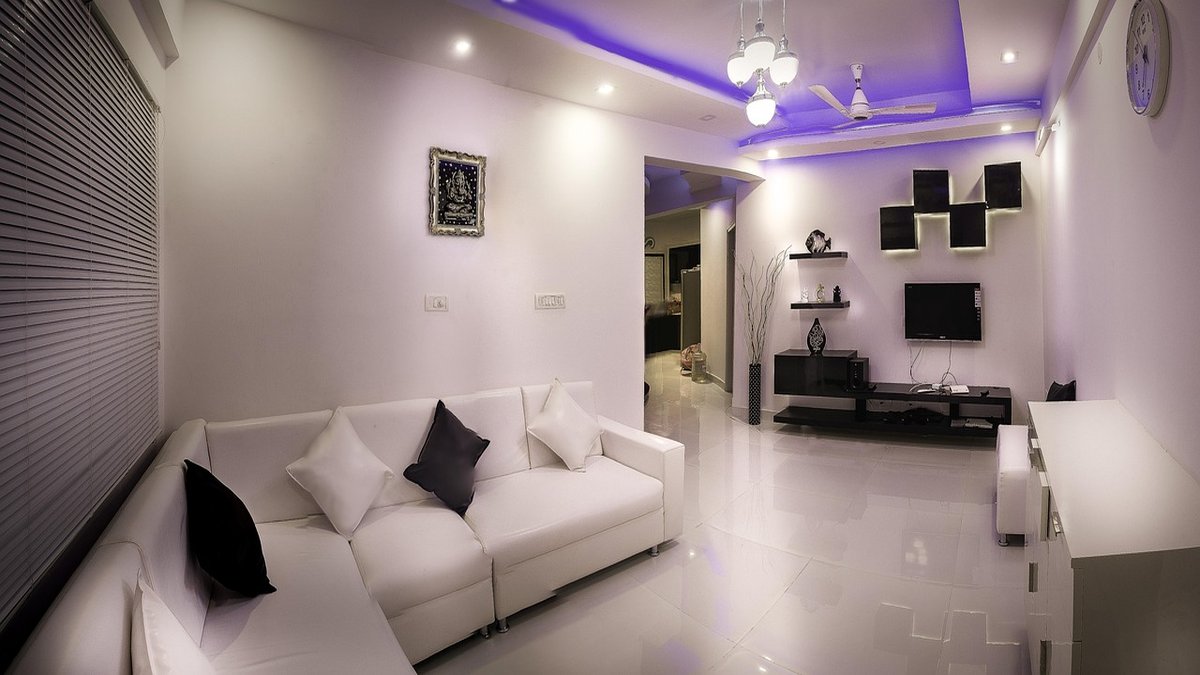
Last updated: April 2026
Affiliate Disclosure: We may earn a commission when you purchase through our links. This does not affect our editorial independence.
Quick Answer
- In 2022, 1-person households accounted for 34.5% of all households in Korea, totaling 7,502,000 households, driving the demand for smart space solutions Zippoom Blog: Studio Apartment Interior Tips 2026.
- Daybeds, also known as sofa beds, offer dual functionality, allowing one piece of furniture to serve as both a comfortable sleeping area and a stylish seating option, effectively doubling its utility in compact living spaces.
- Bunk beds are a powerful solution for maximizing floor space, creating a multi-level layout where the area beneath the bed can be transformed into a dedicated workspace or a secondary seating zone.
- Architect Yoo Hyun-joon suggests that even affordable LED lighting, costing 10,000 to 20,000 KRW (approximately $7-15 USD), can significantly alter a room's atmosphere if warm tones are chosen, contributing to a sense of spaciousness and varied "scenes" Harpers Bazaar Korea: Architect's Studio Apartment Tips.
Korean fold-out beds and sofa beds are increasingly popular due to the growing number of 1-person households in Korea, which necessitate innovative space-saving furniture. According to Statistics Korea's 2022 Population and Housing Census, 1-person households numbered 7,502,000, making up 34.5% of all households, highlighting a significant trend towards compact living. These versatile furniture pieces, such as daybeds and folding beds, offer practical solutions for combining living and sleeping areas, ensuring that even the smallest studio apartments feel spacious and functional. They allow residents to optimize their limited square footage by providing multi-functional items that adapt to different daily needs, from comfortable seating during the day to a restful sleeping surface at night. This adaptability is key to creating a comfortable and efficient home in a compact environment, transforming a single room into a dynamic space with distinct zones for various activities.
Why are Korean Fold-Out Beds and Sofa Beds So Popular?
Korean fold-out beds and sofa beds have surged in popularity primarily due to the significant increase in 1-person households across the country. As more individuals choose to live alone, often in studio apartments or small homes, the demand for furniture that maximizes limited space has become critical. These versatile pieces of furniture offer ingenious solutions by serving multiple functions, effectively eliminating the need for separate sleeping and seating areas. The trend reflects a broader cultural shift towards more efficient and flexible living, where every square foot counts.
The rise of 1-person households in Korea is a major demographic driver behind the demand for space-saving furniture. Statistics Korea's 2022 Population and Housing Census reported that 1-person households totaled 7,502,000, constituting 34.5% of all households Zippoom Blog: Studio Apartment Interior Tips 2026. This substantial portion of the population lives in compact spaces, such as studio apartments or officetels, where traditional large furniture can quickly make a room feel cramped. For these residents, fold-out beds and sofa beds are not just a convenience but a necessity, allowing them to transform their living room into a bedroom and vice versa with minimal effort. This adaptability helps create a more organized and less cluttered environment, which is crucial for maintaining psychological comfort in a small home.
Beyond mere functionality, these furniture items contribute to a sense of spaciousness, which is a highly valued aspect of small apartment living. By combining the functions of a bed and a sofa, they free up valuable floor space that would otherwise be occupied by two separate pieces of furniture. This creates an open feel, making a room appear larger than its actual physical dimensions. Architect Yoo Hyun-joon emphasizes that "Space is not an absolute physical quantity, but the sum of memories" (translated from Korean) Harpers Bazaar Korea: Architect's Studio Apartment Tips. Multi-functional furniture like sofa beds helps create different "scenes" within a single room, such as a daytime lounge and a nighttime retreat. These varied scenes contribute to a richer perception of the space, making it feel more expansive and adaptable. When a room can effortlessly transition between different uses, it feels more versatile and less restrictive, enhancing the overall living experience for residents.
The popularity also stems from the practical benefits these beds offer in terms of maximizing utility. In a small apartment, residents often face the challenge of accommodating various activities—sleeping, working, eating, and socializing—within a single open area. Fold-out beds and sofa beds address this by providing a single piece of furniture that can cater to multiple needs. For instance, a daybed can serve as a comfortable sofa for watching TV or reading during the day, then easily convert into a bed for sleeping at night. This dual functionality is especially beneficial in officetels, which are typically small, multi-purpose units designed for both living and working. The flexibility offered by these beds allows residents to maintain a clean and organized living space by tucking away the sleeping area when it's not needed, thereby maximizing the usable floor area for other activities.
Furthermore, the aesthetic appeal of modern Korean fold-out beds and sofa beds has also played a role in their popularity. Contemporary designs often feature sleek lines, neutral colors, and smart mechanisms that integrate seamlessly into minimalist or modern interior styles. These designs prioritize both form and function, ensuring that the furniture not only saves space but also enhances the overall look of the room. Many models come with integrated storage solutions, such as hidden compartments or drawers, further increasing their utility and appeal to those living in small homes. This combination of practical space-saving features, aesthetic design, and adaptability to evolving living trends makes Korean fold-out beds and sofa beds a top choice for maximizing comfort and efficiency in compact living environments. The continuous innovation in design and functionality ensures these furniture types remain relevant and highly sought after by residents seeking smart living solutions.
The Impact of 1-Person Households
The demographic shift towards 1-person households in Korea has fundamentally reshaped the furniture market, with a strong emphasis on compact and multi-functional designs. This trend is not just about individual preference but also about economic realities, as smaller living spaces are often more affordable in urban centers. As the number of single-person households continues to grow, furniture manufacturers are responding with innovative solutions that cater specifically to the unique challenges of small-space living. Fold-out beds and sofa beds are prime examples of this adaptation, offering practical answers to the perennial question of how to fit a complete lifestyle into a limited footprint. These products are designed to be intuitive and easy to use, allowing for quick transformations from one function to another, which is essential for busy urban dwellers. The demand for these items is further amplified by the desire for a tidy and uncluttered home, where every item serves a purpose and contributes to the overall efficiency of the space.
Versatility for Modern Lifestyles
Modern lifestyles often require flexibility, and Korean fold-out beds and sofa beds deliver precisely that. These beds are ideal for individuals who might host guests occasionally but don't have a dedicated guest room, or for those who want to maximize their living area during the day for hobbies, exercise, or work. The ability to switch between a seating area and a sleeping area means that a single room can serve multiple purposes throughout the day, adapting to the resident's schedule and needs. This versatility extends to different types of small homes, from traditional studio apartments to modern officetels. The ease with which these beds can be transformed makes them a convenient choice, removing the hassle associated with more complex space-saving furniture. This seamless transition is a key factor in their widespread adoption, as it allows residents to easily reconfigure their space to suit immediate requirements. The contemporary designs also mean that these functional pieces do not compromise on style, often becoming central elements of a well-designed small interior.
Creating a Sense of Spaciousness
One of the most significant benefits of fold-out beds and sofa beds is their ability to visually expand a small room. By consolidating two essential pieces of furniture into one, they minimize visual clutter and open up floor space, making the room feel larger and more airy. This psychological effect is just as important as the physical space saved. A room that feels spacious promotes a sense of calm and reduces the feeling of being confined. Architect Yoo Hyun-joon's insight that space is tied to "the sum of memories" suggests that by creating varied scenes within a room, even a small one can feel more expansive and interesting Harpers Bazaar Korea: Architect's Studio Apartment Tips. A sofa bed, for instance, allows for a distinct "living room scene" during the day and a "bedroom scene" at night, enriching the spatial experience. This strategic use of adaptable furniture helps to break the monotony often associated with single-room living, making the space feel more dynamic and less restrictive. The careful selection of such furniture contributes significantly to the overall aesthetic and functional success of small apartment interiors.
What are the Best Types of Fold-Out Beds and Sofa Beds for Small Spaces?
For optimizing small living spaces, the best types of fold-out beds and sofa beds are those that offer multi-functionality and efficient space utilization. Daybeds, folding beds, and bunk beds stand out as top choices, each providing unique advantages for compact homes. These furniture solutions are designed to address the common challenges of limited square footage by combining essential functions, freeing up valuable floor area, and creating a more versatile environment.
Daybeds (Sofa Beds)
Daybeds, often interchangeably called sofa beds, are an excellent choice for small spaces because they seamlessly integrate two essential pieces of furniture: a bed and a sofa. This dual functionality means that a single item can serve as a comfortable seating area during the day and easily convert into a sleeping surface at night. This is particularly beneficial in studio apartments or small living rooms where there isn't enough space for both a dedicated sofa and a separate bed. The ability to transition between functions allows residents to maximize their floor space, creating a more open and adaptable environment.
Daybeds are also highly versatile in terms of design and styling. They can be dressed up with cushions and throws to look like a sophisticated sofa, blending perfectly into a living room setup. When it's time to sleep, simply remove the cushions and adjust the bed. This adaptability makes them a practical and stylish solution for modern compact living, allowing for a fluid transition between different daily activities. The convenience of not having to move or store a separate bed every day makes daybeds a preferred option for many living in small Korean homes. Today's House, a popular lifestyle app, highlights daybeds as a smart choice for those who find it difficult to place both a bed and a sofa in a small space, noting their ability to double the utility of the furniture Today's House: Studio Apartment Space Utilization Tips.
Folding Beds
Folding beds, sometimes referred to as Murphy beds or wall beds, are another highly effective solution for small spaces. Their primary advantage lies in their ability to completely disappear when not in use, typically by folding up against a wall or into a cabinet. This feature allows for maximum floor space utilization during the day, transforming a bedroom into a living room, office, or recreational area. When night falls, the bed can be easily pulled down, providing a comfortable sleeping surface.
The key benefit of folding beds is the dramatic transformation they enable. Unlike sofa beds that still occupy floor space as a sofa, folding beds free up the entire area, making a room feel significantly larger and more versatile. This is particularly valuable in studio apartments where every square inch matters. While the initial investment for a high-quality folding bed system might be higher than a simple daybed, the long-term benefits of enhanced space and flexibility often outweigh the cost. Today's House acknowledges the space-saving potential of folding beds for those who want to use their room extensively, although it notes the challenge of finding good visual examples Today's House: Studio Apartment Space Utilization Tips. Despite this, their ability to completely clear floor space makes them a top contender for efficient small-space living.
Bunk Beds (Loft Beds)
Bunk beds, or loft beds, are an ingenious solution for creating vertical space in a small room, essentially doubling the usable floor area. By elevating the sleeping platform, the space underneath becomes available for other functions, such as a work desk, a lounge area with a small sofa, or additional storage. This multi-level approach is incredibly efficient for studio apartments or children's rooms where maximizing every dimension is crucial.
The primary advantage of bunk beds is their ability to separate distinct zones within a single room without requiring additional floor space. For example, the upper bunk can serve as a sleeping area, while the lower level can be set up as a cozy reading nook with a 2-person sofa, or a dedicated home office with a desk and chair. This creates a sense of privacy and purpose for each area, making the overall space feel more organized and functional. Today's House specifically highlights how bunk beds can double the usable space, suggesting placing a 2-person sofa or a desk underneath to create a work or relaxation zone Today's House: Studio Apartment Space Utilization Tips. This strategy not only saves space but also adds an element of coziness and focus, as the elevated bed provides a sense of enclosure for the activity below. The versatility of bunk beds makes them a highly effective and creative solution for small apartment dwellers looking to make the most of their vertical dimensions.
How Can You Maximize Space with Daybeds and Bunk Beds?
Maximizing space with daybeds and bunk beds involves strategic styling and arrangement to enhance both functionality and aesthetic appeal in small living areas. These furniture pieces are inherently designed for efficiency, but thoughtful integration can transform a compact room into a versatile and visually expansive environment. The goal is to create distinct zones for various activities, making the space feel larger and more purposeful.
Creative Styling for Daybeds
Daybeds offer a fantastic opportunity for creative styling that enhances their dual functionality. By treating a daybed as both a bed and a sofa, you can use accessories to define its role at different times of the day. For instance, during the day, you can adorn the daybed with a collection of unique cushions and a stylish throw blanket. A single-color duvet cover can provide a clean, minimalist base, allowing the cushions to pop with geometric designs, vibrant patterns, or interesting textures. This approach not only adds personality to your space but also visually transforms the daybed into a chic sofa, making the room feel more like a living area than a bedroom.
When styling, consider the overall aesthetic of your apartment. If you prefer a minimalist look, opt for cushions in pastel tones or subtle patterns that complement your existing decor. For a more eclectic style, mix and match cushions of different shapes, sizes, and patterns. Placing a small side table next to the daybed with a fragrant candle or a small plant can further enhance the "living room" ambiance, making the space feel more inviting and functional for daytime use. This thoughtful styling ensures that your daybed serves its dual purpose effectively, allowing you to seamlessly transition between relaxing on a sofa and sleeping in a bed, all within the same footprint. An interior example from Today's House shows how a daybed can be made more versatile with unique dolls and attractive bedding, highlighting its ability to multiply utility Today's House: Studio Apartment Space Utilization Tips.
Optimizing Space with Bunk Beds
Bunk beds are masters of vertical space utilization, effectively doubling the usable area in a room. The key to maximizing this potential lies in how you utilize the ground-level space beneath the upper bunk. This area can be transformed into a highly functional zone tailored to your specific needs, whether for relaxation, work, or additional storage. One popular strategy is to place a 2-person sofa beneath the bunk bed. This creates a cozy lounge area where you can relax, read, or entertain a guest without encroaching on other parts of your small apartment. The elevated bed provides a sense of enclosure, making the sofa area feel like a private nook.
Alternatively, the space under a bunk bed can be converted into a dedicated workspace. By placing a desk and a comfortable chair, you can create a focused study or home office area. This setup is particularly beneficial for students or remote workers who need a quiet corner for concentration. The compact nature of this arrangement can actually enhance productivity by minimizing distractions and providing a defined zone for work. Today's House showcases examples where a desk is placed under a bunk bed to create a personal workspace, noting that the cozy atmosphere might even improve concentration Today's House: Studio Apartment Space Utilization Tips. For those who prefer a more flexible setup, a low-height sitting desk can also be used, allowing for a more casual work or dining experience. The ability to customize the lower level of a bunk bed makes it an incredibly versatile and efficient solution for maximizing space in any small living environment.
Creating Multi-Functional Zones
Both daybeds and bunk beds excel at creating multi-functional zones within a single room, a crucial strategy for small apartments. With a daybed, the transformation from a sleeping zone to a living zone is almost instantaneous, allowing residents to adapt their space to different activities throughout the day. This fluidity is essential for making a small apartment feel dynamic and spacious rather than cramped. For example, the daybed can serve as the focal point of a living room during the day, used for entertaining or relaxation, and then effortlessly convert into a private sleeping area at night. This adaptability helps in maintaining an organized and uncluttered environment, as the primary piece of furniture changes its role as needed.
Bunk beds take this concept further by creating distinct vertical zones. The upper level is clearly a sleeping area, while the lower level can be anything from a work station to a dining area or a secondary lounge. This vertical separation inherently defines different functions within the same footprint, making the room feel more expansive and purposeful. For instance, a student living in a studio apartment might use the bottom area of a bunk bed as a study desk during the day and the top bunk for sleeping. This clear delineation of space helps in maintaining focus and organization, preventing the feeling that all activities are muddled together in one small area. The strategic use of these multi-functional furniture pieces is fundamental to transforming a small apartment into a highly efficient, versatile, and comfortable home. They allow residents to enjoy a full range of activities without feeling restricted by the physical dimensions of their living space.
What Storage Solutions Complement Fold-Out Beds?
Complementing fold-out beds with smart storage solutions is crucial for maintaining an organized and spacious environment in small homes. Since fold-out beds themselves are designed to save space, integrating additional storage ensures that clutter is minimized, further enhancing the functionality and aesthetics of the room. Effective storage strategies include utilizing under-bed drawers, installing wall shelves, and employing multi-tier hangers, all of which leverage often-overlooked spaces.
Under-Bed Drawers
Under-bed drawers are an invaluable storage solution, especially in compact living spaces where every inch counts. These drawers are built directly into the bed frame or slide neatly underneath, providing hidden compartments for a variety of items. This type of storage is particularly effective because it utilizes the substantial, often wasted, space beneath the bed. For residents of studio apartments or small homes, under-bed drawers can become a primary storage area for seasonal clothing, extra bedding, towels, or even travel essentials that are not accessed daily.
The benefit of under-bed storage extends beyond just saving space; it also helps maintain a clean and uncluttered visual environment. By tucking items away out of sight, the room appears tidier and more expansive. While retrieving items from under-bed drawers might require bending down, making them less ideal for frequently used items, they are perfect for belongings that need to be stored but not constantly accessed. This strategic use of hidden storage prevents items from accumulating on floors or other surfaces, which can quickly make a small room feel chaotic. Several Korean interior design resources, including Homify Korea and Homix, emphasize the efficiency of under-bed storage for items like seasonal clothes, blankets, and miscellaneous belongings, highlighting how it significantly boosts space utilization Homix: Small Apartment Space-Saving Ideas and Homify: Smart Storage Ideas for Small Homes. Modern designs often incorporate one to three drawers, offering substantial capacity without increasing the bed's overall height too much.
Wall Shelves
Wall shelves are an excellent way to utilize vertical space, transforming empty walls into functional storage or display areas. In small apartments, where floor space is limited, wall shelves can serve multiple purposes, acting as bookshelves, decorative displays, or even compact desks and dining tables. This strategy is particularly effective because it keeps items off the floor, contributing to a more open and spacious feel in the room. By extending storage upwards, wall shelves prevent clutter from accumulating at eye level, which can make a small room feel overwhelming.
The versatility of wall shelves allows for creative customization. A series of shelves can be arranged to create a multi-functional unit along one wall, serving as a dining table, a workspace, and a bookshelf all in one. This approach is especially useful in studio apartments where distinct zones for these activities might not otherwise exist. For items that are less frequently used or purely decorative, higher shelves can be installed to display art, plants, or cherished mementos, adding warmth and personality to the space without consuming precious floor area. An 18-pyeong (approximately 61㎡) apartment in Malmö, Sweden, built in 1932 and renovated, uses ceiling-height string shelves in a long hallway for extensive book storage, effectively turning dead space into functional storage Naver Blog: 18-Pyeong Apartment Interior Storage Ideas. This demonstrates the power of vertical storage in maximizing even narrow, overlooked areas.
Multi-Tier Hangers
For clothing storage in small apartments, multi-tier hangers offer a flexible and practical alternative to bulky wardrobes. These hangers are designed to be freestanding or attach to walls without the need for drilling, making them ideal for renters or those who frequently move. They maximize vertical space by allowing clothes to be hung at different heights, accommodating various garment lengths from short skirts and pants to long coats and dresses. This tiered approach prevents clothes from getting wrinkled and makes it easier to organize and access your wardrobe.
The customizable nature of multi-tier hangers is a significant advantage. Many models allow for adjustable heights and configurations, enabling residents to tailor the storage to their specific clothing collection. For example, lower tiers can be used for shorter items, while higher tiers can accommodate longer garments, ensuring that no space is wasted. Using uniform hangers in a consistent color can also contribute to a more organized and aesthetically pleasing look, reducing visual clutter. This method of clothing storage is particularly beneficial for those with extensive wardrobes, as it offers substantial capacity without the footprint of a traditional closet. Zippoom Blog notes that multi-tier hangers, available in 1- to 3-tier options, are a nail-free solution that allows for flexible assembly and storage of various clothing items, from skirts to long coats Zippoom Blog: Studio Apartment Interior Tips 2026. This flexibility makes them an excellent choice for maximizing clothing storage in compact living spaces. For more details, see Zippoom Blog: Studio Apartment Interior Tips 2026.
How Do Low Furniture and Bright Colors Affect Small Spaces?
Low-height furniture and bright colors significantly impact the perception of space in small rooms, making them appear larger, more open, and less cluttered. These design choices work together to create an expansive visual effect, counteracting the confined feeling that can often accompany compact living. By understanding and applying these principles, residents of small apartments can transform their homes into comfortable and inviting environments.
The Illusion of Height with Low Furniture
Using low-height furniture is a highly effective strategy for making a small room feel more spacious. When furniture pieces like sofas, coffee tables, or beds are closer to the ground, they leave more vertical wall space visible. This increased visual exposure of the wall creates an illusion of higher ceilings and a more open, airy room. In contrast, tall, bulky furniture can make a small space feel cramped and visually heavy, drawing the eye downwards and emphasizing the room's limited dimensions. Architect Yoo Hyun-joon's advice on creating a sense of "memory" through varied scenes also applies here; low furniture allows for a clearer view across the room, contributing to a more expansive visual journey Harpers Bazaar Korea: Architect's Studio Apartment Tips.
For example, opting for a low platform bed instead of a tall frame, or a low-slung sofa rather than a high-backed one, immediately opens up the room. This approach is especially beneficial in studio apartments where the bed often occupies a significant portion of the space. By choosing furniture that doesn't obstruct the line of sight, you create an uninterrupted visual flow, which tricks the eye into perceiving the room as larger than it actually is. Zippoom Blog explicitly advises against high furniture like bunk beds for making a small room feel larger, instead recommending low furniture combined with smart tone and arrangement to achieve a spacious impression Zippoom Blog: Studio Apartment Interior Tips 2026. The visual impact of low furniture is profound, allowing light to travel more freely and creating a sense of lightness that is essential in compact living.
Bright Tones for Expansive Visuals
The choice of color plays a psychological and visual role in how we perceive space, making bright tones an indispensable tool for small apartment interiors. Colors like white, beige, and light pastels reflect more light, making a room feel brighter and more open. Darker colors, on the other hand, absorb light and can make a room feel smaller and more enclosed. By using bright tones for walls, large furniture pieces, and even flooring, you create a cohesive and expansive visual canvas that minimizes boundaries and maximizes the feeling of openness.
The principle of "simple is the best" applies strongly here; a predominantly white or beige color palette reduces visual clutter and provides a clean backdrop. This creates a calm and serene atmosphere, preventing the room from feeling overwhelming. Zippoom Blog highlights that color is a "magic tool" that can psychologically and visually expand or shrink a space, recommending white or beige furniture to reduce feelings of stuffiness and create a clean impression Zippoom Blog: Studio Apartment Interior Tips 2026. This effect is further enhanced when bright tones are used on the largest surfaces, such as walls and ceilings, blurring the lines between them and making the room feel like a continuous, uninterrupted space. The popularity of bright, minimalist interiors in small Korean homes is evident, with 13,739 search results for 'officetel decorating' photos on Today's House, often showcasing white-toned, 감성 (gamsung - emotional/aesthetic) interiors Today's House: Officetel Decorating Search Results. Similarly, there are 5,068 search results for 'small apartment kitchen' photos on Today's House, many of which feature bright, white, or monochrome schemes to maximize the sense of space Today's House: Small Apartment Kitchen Search Results.
Strategic Use of Point Colors and Mirrors
While bright tones create an expansive base, incorporating point colors strategically can add personality and warmth without overwhelming the space. A white or beige sofa, for instance, can be enlivened with pastel-toned cushions or a vibrant throw. These small bursts of color draw the eye without making the room feel smaller. Similarly, placing a few decorative items like a beautiful candle or a small plant on a table can introduce visual interest. Planteriors, or using plants for interior decoration, are particularly effective as they not only add a touch of nature and color but also improve air quality and provide a calming visual element.
Another powerful tool for enhancing spaciousness is the strategic use of mirrors. Mirrors create a visual illusion of depth and expand the perceived size of a room by reflecting light and repeating the existing space. A full-length mirror placed on an empty wall, especially one with a white or beige frame, can make a significant difference. It widens the field of view, making the room appear much larger than its actual dimensions. The Zippoom Blog suggests using mirrors to create a "trick effect" of a larger space, recommending white or beige full-length mirrors in remaining empty spaces after furniture arrangement Zippoom Blog: Studio Apartment Interior Tips 2026. This combination of bright base colors, thoughtful accent colors, and reflective surfaces works synergistically to create a visually appealing and spacious environment, even in the most compact Korean apartments.
What Lighting Strategies Enhance Small Apartment Interiors?
Effective lighting strategies are paramount for enhancing small apartment interiors, as they can dramatically alter the perception of space and atmosphere. Beyond mere illumination, lighting acts as a powerful design tool to create varied "scenes" and manipulate light and shadow, making a compact room feel more expansive and dynamic. This approach is both affordable and highly impactful, offering a simple yet sophisticated way to transform a living space.
Lighting as an Affordable Interior Upgrade
Lighting is often hailed as the ultimate high-value, low-cost interior design upgrade, especially for small apartments. Unlike major renovations or expensive furniture, strategic lighting can completely change the mood and perception of a room without a significant financial investment. Architect Yoo Hyun-joon explains that humans perceive space visually, and adjusting light and shadow is the most effective way to modify this visual information. He suggests that even inexpensive LED lights, costing just 10,000 to 20,000 KRW (approximately $7-15 USD), can drastically change a room's atmosphere if warm tones are chosen Harpers Bazaar Korea: Architect's Studio Apartment Tips. This makes lighting an accessible option for anyone looking to upgrade their small space.
The affordability of LED lighting means that residents can experiment with multiple fixtures, placing them in different areas to create layered lighting effects. Instead of relying on a single overhead light, which can create harsh shadows and a flat appearance, incorporating various light sources like floor lamps, table lamps, and strip lights can add depth and warmth. Each light, when switched on individually, can transform the room's ambiance, highlighting different features and creating new focal points. This ability to easily manipulate the room's mood and visual character through lighting makes it an incredibly powerful and cost-effective interior design tool for small Korean apartments.
Creating "Scenes" with Light and Shadow
One of the most profound effects of strategic lighting is its ability to create different "scenes" within a single room, a concept championed by Architect Yoo Hyun-joon. He states, "Space is not an absolute physical quantity, but the sum of memories" (translated from Korean) Harpers Bazaar Korea: Architect's Studio Apartment Tips. By manipulating light and shadow, you can define distinct areas and evoke different moods, making a small apartment feel more versatile and less monotonous. For example, a bright, focused task light over a desk creates a productive work scene, while soft, ambient lighting in a corner with a cozy armchair can create a relaxing reading nook.
The strategic placement of lights can draw attention to certain areas while leaving others in softer shadow, adding depth and visual interest. This technique prevents the entire room from being uniformly lit, which can make a small space feel flat and uninspired. By creating multiple scenes, you essentially expand the perceived size of the room, as each scene contributes to a different "memory" of the space. Imagine a small studio where a warm floor lamp illuminates a sofa area at night, while the rest of the room is in dimmer light. This creates a distinct, inviting zone for relaxation. When another light is turned on over a dining table, a new scene emerges. This constant shifting of focus through lighting makes the small space feel more dynamic and multi-faceted, enriching the living experience.
The Power of Warm-Toned Lighting
The choice of light color temperature is particularly important in small spaces, with warm tones generally being preferred. Warm-toned lights, typically in the 2700K to 3000K range, emit a soft, inviting glow that creates a cozy and comfortable atmosphere. This contrasts with cool-toned lights (above 4000K), which can feel stark, sterile, and clinical, making a small room feel less welcoming. Warm lighting can also make a room appear more intimate and less exposed, which can be a desirable effect in compact living.
When selecting lighting, even for affordable LED options, prioritizing warm tones can significantly enhance the ambiance of a small apartment. A single warm-toned lamp can transform a cold, uninviting corner into a cozy retreat. Using multiple warm light sources at different heights and intensities can create layers of light, adding depth and visual interest to the room. This approach helps to soften the edges of a small space and create a more harmonious environment. Architect Yoo Hyun-joon specifically advises choosing warm-toned lighting, even for inexpensive LEDs, to achieve the desired atmospheric change Harpers Bazaar Korea: Architect's Studio Apartment Tips. The subtle warmth emanating from these lights can make a small room feel more expansive and inviting, contributing to a sense of comfort and well-being that is crucial in compact living environments.
How Can Minimalism and Organization Improve Small Living Spaces?
Minimalism and organization are fundamental principles for improving small living spaces, as they directly address the core challenges of limited square footage. By adopting a "less is more" approach and establishing clear systems for tidiness, residents can transform cramped apartments into functional, aesthetically pleasing, and serene homes. These strategies reduce clutter, enhance visual spaciousness, and foster a greater sense of control and attachment to the living environment.
The Power of Decluttering
The most effective and immediate way to improve a small living space is through rigorous decluttering. Architect Yoo Hyun-joon unequivocally states that "The most effective studio apartment interior is to throw away things" (translated from Korean) Harpers Bazaar Korea: Architect's Studio Apartment Tips. Unnecessary items, accumulated over time, consume valuable space, create visual noise, and make a small room feel even smaller and more chaotic. This often includes clothes unworn for two years, rarely used gadgets, or items hidden away "just in case." In a small apartment, there is simply no room for such extraneous belongings.
The process of decluttering involves a conscious decision to part with items that do not serve a purpose or bring joy. This can be challenging, but the benefits for a small living space are immense. By removing excess items, you free up physical space, allowing for clearer pathways, more open surfaces, and a general sense of lightness. This also reduces the amount of time and effort required for cleaning and organizing, as there are fewer things to manage. A minimalist approach to possessions directly translates into a more open and breathable home, making the small space feel significantly larger and more manageable. Embracing minimalism is not just about aesthetics; it is about creating a more functional and peaceful living environment by eliminating physical and mental clutter.
Establishing Rules for Organization
Beyond simply discarding items, establishing personal rules for organization is crucial for maintaining a tidy and harmonious small living space. This involves creating designated homes for every item and consistently returning them to their place. Architect Yoo Hyun-joon suggests that attachment to a space grows when "I impose rules on the space" (translated from Korean) Harpers Bazaar Korea: Architect's Studio Apartment Tips. He draws an analogy to gardening, where the joy comes from building a world with chosen plants and trees, governed by one's own rules. This principle can be applied to any aspect of home organization, from how clothes are hung in a closet to the arrangement of items on a shelf.
For example, you might decide to organize clothes by color, by type, or by frequency of use. You might have a specific place for keys, wallets, and phones near the entrance. These personal rules create a sense of order and predictability, making it easier to maintain tidiness on a daily basis. When everything has a designated spot, clutter is less likely to accumulate, and the room remains orderly. This structured approach to organization not only keeps the physical space neat but also fosters a deeper connection and appreciation for one's home. The act of imposing order and maintaining it cultivates a sense of ownership and care, making even a small apartment feel like a well-managed and cherished sanctuary.
The Role of Regular Tidiness
Regular tidiness is the ongoing practice that sustains the benefits of decluttering and organization in a small living space. It's not enough to declutter once; consistency is key. In a small apartment, even a few misplaced items can quickly make the entire space feel messy and cramped. Therefore, incorporating small acts of tidying into daily routines can prevent clutter from spiraling out of control. This might involve putting things away immediately after use, making the bed every morning, or wiping down surfaces regularly.
The continuous effort of maintaining order ensures that the minimalist aesthetic and functional efficiency are preserved. When a small space is consistently tidy, it feels more inviting, more spacious, and less stressful. This contributes to overall well-being and allows residents to fully enjoy their home without the mental burden of disorganization. The immediate visual impact of a clean and tidy room can also reinforce positive habits, making it easier to continue the practice. By embracing minimalism as a lifestyle and committing to regular organization, residents of small Korean apartments can create a living environment that is not only visually appealing but also highly functional and deeply satisfying. This holistic approach ensures that the limited physical space is optimized for comfort, efficiency, and peace of mind.
Frequently Asked Questions
What are the benefits of a daybed in a small apartment?
Daybeds offer significant benefits in small apartments by providing dual functionality as both a comfortable bed and a stylish sofa. This means one piece of furniture serves two essential purposes, saving valuable floor space that would otherwise be occupied by separate items. According to Today's House, daybeds can effectively "multiply" the utility of furniture in small spaces Today's House: Studio Apartment Space Utilization Tips. They allow for easy transitions between daytime activities like reading or entertaining and nighttime sleeping, making the room feel more versatile and less cramped.
How can bunk beds help save space in a studio?
Bunk beds are excellent for saving space in a studio apartment by utilizing vertical dimensions, effectively doubling the usable floor area. By elevating the sleeping platform, the space underneath becomes available for other functions, such as a dedicated workspace or a lounge area. Today's House highlights that bunk beds can create "double" the space, suggesting placing a 2-person sofa or a desk underneath the bed Today's House: Studio Apartment Space Utilization Tips. This strategy allows for distinct functional zones within a single room, enhancing both efficiency and privacy.
What are some smart storage ideas for small homes?
Smart storage ideas for small homes focus on utilizing often-overlooked spaces. Key strategies include under-bed drawers for seasonal items, wall shelves for vertical storage, and multi-tier hangers for efficient clothing organization. For instance, an 18-pyeong (61㎡) apartment in Malmö, Sweden, utilized ceiling-height string shelves in a long hallway for extensive book storage, converting dead space into functional storage Naver Blog: 18-Pyeong Apartment Interior Storage Ideas. These solutions keep items off the floor and out of sight, making the room appear tidier and more spacious.
How does lighting affect the perception of space in a small room?
Lighting significantly affects the perception of space in a small room by manipulating light and shadow to create different atmospheres and visual depth. Architect Yoo Hyun-joon explains that humans perceive space visually, and lighting is the best way to change this perception, making a room feel larger or more intimate Harpers Bazaar Korea: Architect's Studio Apartment Tips. Warm-toned lights, even inexpensive ones, can create cozy "scenes" and make a room feel more inviting, while layered lighting avoids uniform brightness that can make a small space feel flat.
Is minimalism truly effective for small apartment living?
Yes, minimalism is highly effective for small apartment living, as it directly addresses the challenge of limited space by emphasizing intentional living and reducing clutter. Architect Yoo Hyun-joon asserts that the most effective studio apartment interior is "to throw away things," highlighting the importance of decluttering Harpers Bazaar Korea: Architect's Studio Apartment Tips. By keeping only essential items and establishing clear organizational rules, residents can create a more open, functional, and serene environment, preventing the small space from feeling overwhelmed and chaotic.
Sources
- https://www.harpersbazaar.co.kr/article/74930
- https://zippoom.com/%EB%B8%94%EB%A1%9C%EA%B7%B8/%EC%9B%90%EB%A3%B8-%EC%9D%B8%ED%85%8C%EB%A6%AC%EC%96%B4-%EA%BF%80%ED%8C%81/200
- https://ohou.se/advices/429
- https://m.blog.naver.com/bessgo/221449737767
- https://ohou.se/cards/feed?query=%EC%86%8C%ED%98%98%EC%95%84%ED%8C%8C%ED%8A%B8%EC%A3%BC%EB%B0%A9
- https://www.homify.co.kr/ideabooks/5815514/%EC%A2%8 rộng%EC%A7%91%EC%9D%84-%EC%9C%84%ED%95%9C-%EB%98%91%EC%86%8C%EB%A6%AC%EB%82%98%EB%8A%94-%EC%88%98%EB%82%A9-%EC%95%84%EC%9D%B4%EB%94%94%EC%96%B4-15
- https://homix.tistory.com/entry/%EC%86%8C%ED%98%98%EC%95%84%ED%8C%8C%ED%8A%B8%EA%B3%B5%EA%B0%B0%EC%9D%84%EB%84%93%ED%9E%88%EB%8A%94%EB%B0%A9%EB%B2%9510%EC%84%A0
- https://ohou.se/cards/feed?query=%EC%98%A4%ED%94%BC%EC%8A%A4%ED%85%94%20%EA%BE%B8%EB%AF%B8%EA%B8%B0
Related Reading
- Best Korean Apartment Lighting for Small Spaces
- Best Korean Storage Solutions for Small Bedrooms
- Best Korean Furniture for Small Apartments
- How to Maximize a 15-Pyeong Korean Apartment
- Best Korean Kitchen Storage Solutions on Ohouse
— The Self Interior Team