Best Korean Collapsible Furniture for Apartments
- In 2022, 1-person households in Korea reached 7,502,000, making up 34.5% of total households, highlighting the need for space-saving furniture solutions.
Last updated: April 2026
Affiliate Disclosure: We may earn a commission when you purchase through our links. This does not affect our editorial independence.
Quick Answer
- In 2022, 1-person households in Korea reached 7,502,000, making up 34.5% of total households, highlighting the need for space-saving furniture solutions.
- Architect Yoo Hyun-joon advises that decluttering is the most effective interior tip for small spaces, suggesting discarding clothes unworn for two years.
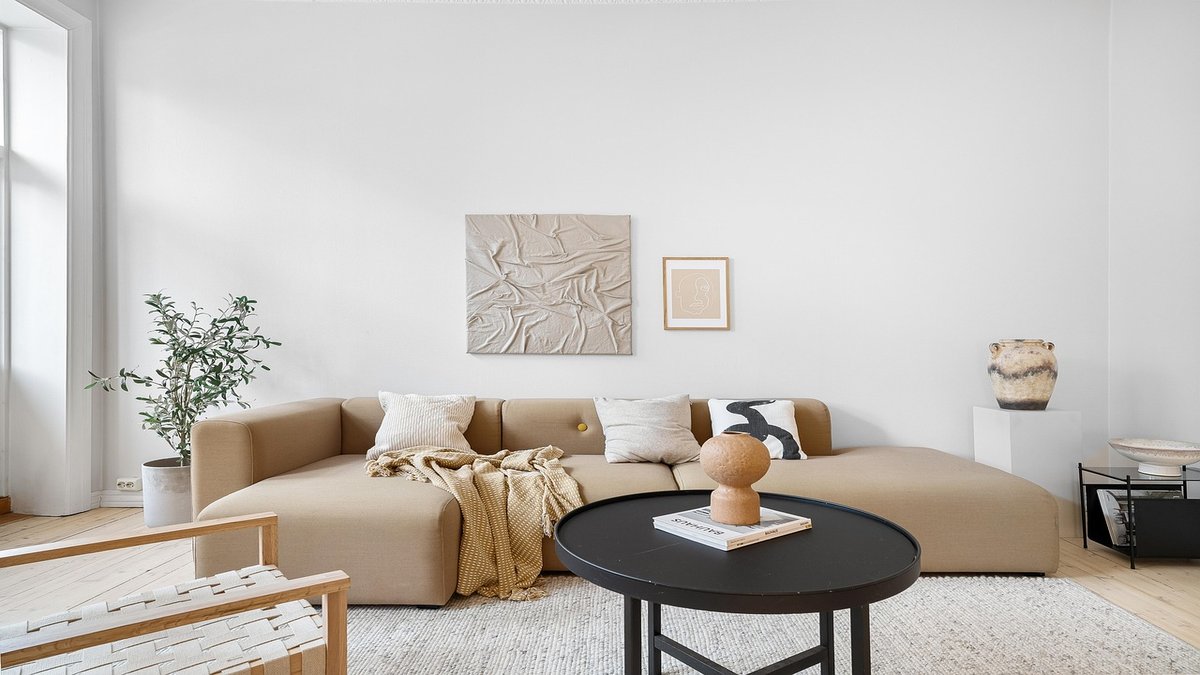
- Low-height furniture and bright tones, such as white or beige, can create a visually more spacious and open feel in small apartments.
- Utilizing bed drawers for items like bedding, installing versatile wall shelves, and using multi-tier hangers (1- to 3-tier) are highly effective storage strategies, with Today's House showing over 13,739 search results for 'officetel decorating' (translated from Korean).
Living in a small apartment, especially a studio or officetel, often means navigating limited space where every square inch counts. In Korea, the rise of 1-person households, which reached 7,502,000 in 2022 and accounted for 34.5% of all households, has made efficient space utilization a top priority for many residents (translated from Korean) [https://zippoom.com/%EB%B8%94%EB%A1%9C%EA%B7%B8/%EC%9B%90%EB%A3%B0-%EC%9D%B8%ED%85%8C%EB%A6%AC%EC%96%B4-%EA%BF%80%ED%8C%81/200]. This trend drives the demand for innovative Korean collapsible and multi-functional furniture. These smart solutions help overcome the challenges of ambiguous boundaries between living and kitchen areas, allowing residents to create a sense of openness and practical storage even in the most compact homes. By strategically incorporating these items, small apartments can transform into comfortable, organized, and aesthetically pleasing environments that maximize usability without sacrificing style.
Why is Korean Collapsible Furniture Essential for Small Apartments?
Korean collapsible furniture is essential for small apartments primarily because of the demographic shift towards smaller households and the inherent design challenges of compact living spaces. The significant increase in 1-person households in Korea, reaching 7,502,000 in 2022 and representing 34.5% of all households, directly fuels the demand for furniture that can adapt to limited square footage (translated from Korean) [https://zippoom.com/%EB%B8%94%EB%A1%9C%EA%B7%B8/%EC%9B%90%EB%A3%B0-%EC%9D%B8%ED%85%8C%EB%A6%AC%EC%96%B4-%EA%BF%80%ED%8C%81/200]. These compact living situations, often found in studio apartments or officetels, typically feature open-plan layouts where the living, sleeping, and kitchen areas blend without clear distinctions. This lack of defined zones necessitates creative furniture solutions that can serve multiple purposes or be easily tucked away when not in use.
Collapsible and multi-functional furniture addresses these needs by providing flexibility and maximizing the utility of every corner. For instance, a dining table that folds down from the wall or a bed that converts into a sofa can dramatically change the functionality of a room throughout the day. This adaptability is crucial for maintaining an uncluttered look and feeling of spaciousness, which can otherwise be challenging in a small home. Without such innovative furniture, residents would struggle to accommodate essential items like a bed, a dining table, a desk, and storage units simultaneously, leading to cramped and disorganized living conditions. The essence of Korean collapsible furniture lies in its ability to transform spaces, making them both practical and comfortable for modern urban living.
The Rise of 1-Person Households
The demographic landscape in Korea has seen a dramatic shift towards smaller family units, particularly 1-person households. According to a 2022 population and housing census by Statistics Korea, the number of 1-person households reached 7,502,000, making up 34.5% of total households (translated from Korean) [https://zippoom.com/%EB%B8%94%EB%A1%9C%EA%B7%B8/%EC%9B%90%EB%A3%B0-%EC%9D%B8%ED%85%8C%EB%A6%AC%EC%96%B4-%EA%BF%80%ED%8C%81/200]. This trend is projected to continue, with more people choosing to live alone due to various socioeconomic factors, including changing lifestyles, increasing urbanization, and delayed marriages. As a result, the demand for housing options like studio apartments and officetels has surged. These smaller living units inherently come with space constraints, making traditional, bulky furniture impractical. Collapsible and multi-functional furniture directly caters to this growing segment of the population, offering solutions that allow them to live comfortably and efficiently without sacrificing functionality or aesthetics.
Overcoming Ambiguous Layouts
One of the primary challenges in small apartments is the often-ambiguous layout, where spaces like the living room and kitchen lack clear boundaries. In many studio apartments, the main room serves as a bedroom, living area, and sometimes even a dining space. This makes thoughtful furniture placement critical to avoid a cluttered and uninviting atmosphere. Collapsible furniture helps in defining these areas without permanent structures. For example, a folding screen or a movable partition can temporarily separate a sleeping area from a working space, while a table that can be expanded or folded away allows for flexible dining or work arrangements. By providing adaptable pieces, residents can create a sense of order and purpose within their open-plan homes. This flexibility allows the same space to transform to suit different activities throughout the day, from a quiet workspace to a social gathering spot.
Creating Openness and Practical Storage
The core benefit of collapsible furniture is its ability to create a sense of openness and provide practical storage. In small spaces, every item that is not in use can contribute to visual clutter, making a room feel smaller and more chaotic. Collapsible furniture, by its very nature, helps mitigate this issue. A desk that folds into a wall cabinet, a bed that disappears into a closet, or chairs that stack neatly can free up significant floor space when not needed. This not only makes the room feel larger and more open but also facilitates easier movement and cleaning. Furthermore, many collapsible furniture pieces incorporate hidden storage compartments, such as bed frames with built-in drawers or tables with internal shelving, adding another layer of functionality. This dual benefit of space-saving and integrated storage is what makes Korean collapsible furniture indispensable for maximizing the potential of small apartments, ensuring that residents can enjoy both an uncluttered environment and ample room for their belongings.
How Can Furniture Arrangement Make a Small Space Feel Larger?
Strategic furniture arrangement is key to making a small space feel larger by manipulating visual perception and optimizing flow. Instead of viewing a room as a single entity, consider redesigning it to have multiple "scenes" or functional zones. Architect Yoo Hyun-joon explains that this approach creates varied pathways and viewpoints within the room, making it feel more expansive because "Space is not an absolute physical quantity, but the sum of memories" (translated from Korean) [https://www.harpersbazaar.co.kr/article/74930]. For example, placing a TV or a bookshelf in the center of a studio apartment can create distinct paths around it, allowing the eye to perceive different areas and thus a larger overall space.
Beyond creating multiple scenes, choosing the right types of furniture and colors significantly impacts how spacious a room feels. Opting for low-height furniture over tall, bulky pieces can visually enlarge a cramped area by keeping sightlines clear and allowing the eye to travel further. Similarly, bright-toned furniture, particularly in shades of white or beige, plays a crucial role. These colors reflect light, reduce visual weight, and minimize shadows, all of which contribute to an impression of greater openness and a clean, uncluttered aesthetic. By combining these principles of strategic placement, furniture height, and color, even the smallest apartment can be transformed into a visually spacious and comfortable living environment.
Creating Multiple Scenes
One of the most effective strategies for making a small room feel larger is to create distinct "scenes" or functional zones within the space. This involves arranging furniture in a way that suggests different areas for different activities, even if the physical footprint remains small. Architect Yoo Hyun-joon emphasizes this concept, stating, "Space is not an absolute physical quantity, but the sum of memories" (translated from Korean) [https://www.harpersbazaar.co.kr/article/74930]. By introducing elements like a room divider, a strategically placed rug, or even a tall plant, you can subtly delineate areas for sleeping, working, and relaxing. For instance, placing a small desk in one corner and a cozy armchair in another creates two separate "scenes" that make the overall space feel more versatile and, consequently, larger. This method encourages the eye to move through the room, exploring different visual compositions rather than perceiving a single, undifferentiated area.
Strategic Placement for Varied Viewpoints
The placement of furniture profoundly affects how we perceive the size of a room. In a studio apartment, where every item is visible, thoughtful arrangement is crucial. Instead of pushing all furniture against the walls, consider floating some pieces, such as a small sofa or a console table, slightly away from the perimeter. This creates an illusion of depth and allows the eye to see beyond the immediate objects, making the room feel more expansive. Similarly, placing items like a TV or a bookshelf in the center or slightly off-center of a studio apartment can create varied pathways and viewpoints. This encourages residents and guests to move around the furniture, establishing multiple circulation paths. These diverse perspectives prevent the room from feeling like a single, confined box, instead suggesting a more complex and open layout.
The Impact of Low-Height Furniture
The height of furniture significantly influences the perceived spaciousness of a room. In a small apartment, large, tall pieces of furniture can quickly make the space feel cramped and visually heavy. Conversely, opting for low-height furniture helps to maintain clear sightlines, allowing the eye to travel across the room unobstructed. This creates an immediate sense of openness and airiness. For example, a low-profile bed frame, a short entertainment unit, or a coffee table close to the floor will visually expand the vertical space between the furniture and the ceiling. This strategy is particularly effective in studio apartments where the ceiling height might be limited. By keeping the visual plane lower, the room gains a perception of greater volume, making it feel less confined and more inviting.
Bright Tones for Visual Expansion
Color is a powerful tool in interior design, capable of altering the perception of space. In small apartments, using bright-toned furniture is highly recommended to make the room appear larger and more open. Colors like white, beige, and light pastels reflect light, making the room brighter and more expansive. Darker colors, while sometimes used for accent, tend to absorb light and can make a small space feel enclosed and heavy. The principle of "simple is the best" applies here: a palette dominated by white or beige furniture reduces visual clutter and provides a clean, minimalist impression. This not only enhances the feeling of spaciousness but also creates a serene and calming atmosphere. If a completely monochromatic look feels too stark, subtle variations in texture or the addition of carefully chosen accent colors through small decor items can add personality without compromising the open feel. For more details, see Harpers Bazaar Korea on architect Yoo Hyun-joon's tips.
What are the Best Collapsible and Multi-functional Furniture Options?
The best collapsible and multi-functional furniture options for small apartments are those that ingeniously combine utility with space-saving design, often serving multiple purposes or disappearing when not needed. For instance, bed frames with built-in drawers are a crucial storage solution, ideal for stowing away seasonal clothing, extra bedding, or travel gear that isn't accessed daily. Beyond the bed, wall shelves prove to be incredibly versatile, transforming empty vertical spaces into bookshelves, desks, or even dining tables, maximizing every inch of the wall.
For clothing storage, multi-tier hangers (available in 1- to 3-tier configurations) offer flexible solutions that don't require permanent installation, making them perfect for renters concerned about drilling into walls. When it comes to seating and sleeping, daybeds or sofa beds are excellent choices, seamlessly transitioning between a comfortable sofa during the day and a bed at night. Furthermore, bunk beds or loft beds are highly effective for doubling usable floor area by creating space underneath for a sofa, desk, or even additional storage. These innovative pieces are vital for optimizing functionality in compact living spaces, as evidenced by Today's House showcasing over 13,739 search results for 'officetel decorating' (translated from Korean) [https://ohou.se/cards/feed?query=%EC%98%A4%ED%94%BC%EC%8A%A4%ED%85%94%20%EA%BE%B8%EB%AF%B8%EA%B8%B0].
Bed Frames with Built-in Drawers
In small apartments, the bed often occupies the largest footprint, making its under-space a prime area for storage. Bed frames equipped with built-in drawers are an excellent multi-functional solution, transforming a purely sleeping area into a valuable storage unit. These drawers, typically ranging from one to three tiers, are perfect for items that don't require daily access, such as seasonal clothing, spare blankets, towels, tools, or even travel essentials. While retrieving items might require some bending or kneeling, the benefit of having dedicated, hidden storage far outweighs this minor inconvenience. This design eliminates the need for bulky separate dressers or storage bins, contributing to a cleaner, more organized aesthetic and freeing up valuable floor space. The integration of storage directly into the bed frame makes it a highly efficient piece of furniture for maximizing utility in compact living environments.
Versatile Wall Shelves
Empty wall space is often an overlooked asset in small apartments, and wall shelves are the perfect tool to harness its potential. These versatile fixtures can serve a multitude of purposes, adapting to the changing needs of the resident. A single wall shelf can function as a minimalist desk for a laptop, a compact dining table for one or two, or a display area for decorative items and plants. When arranged in a series, they can create a dynamic bookshelf or an entire storage system. The beauty of wall shelves lies in their ability to free up floor space while providing essential functionality. They can be installed at various heights, allowing for creative compositions and the strategic placement of items. For instance, a high shelf can hold seldom-used decor, while lower shelves can keep everyday items within easy reach. This adaptability makes wall shelves an indispensable component of efficient small apartment design.
Multi-tier Hangers
Clothing storage is a common challenge in small apartments, especially for those with extensive wardrobes. Traditional large wardrobes can quickly overwhelm a compact space. Multi-tier hangers, available in 1- to 3-tier configurations, offer an ingenious solution. These freestanding or tension-rod systems eliminate the need for drilling holes into walls or ceilings, making them ideal for renters who want to avoid property damage. The tiered design allows for efficient vertical organization: shorter items like skirts and trousers can hang on lower tiers, frequently worn shirts on middle tiers, and long coats or jackets on the highest. To enhance the aesthetic appeal and maintain a tidy look, using uniform hangers that match the color of the rack can create a cohesive and organized display. This type of hanger maximizes vertical space, keeps clothes accessible, and offers flexibility, as it can be easily disassembled and moved during relocation.
Daybeds and Sofa Beds
For apartments where space is too limited to accommodate both a dedicated bed and a sofa, daybeds and sofa beds are perfect multi-functional furniture choices. A daybed typically features a backrest and armrests, allowing it to function as a comfortable sofa during the day and a single bed at night. This versatility is ideal for studio apartments or guest rooms, providing a comfortable spot for lounging, reading, or watching TV, and then easily converting into a sleeping surface. Sofa beds, on the other hand, are designed to look like a standard sofa but can be unfolded or pulled out to reveal a full-sized bed. This option is particularly useful for accommodating overnight guests without needing a separate guest room. Both daybeds and sofa beds offer a practical solution to maximize space, ensuring that a single piece of furniture can serve dual roles, thereby enhancing the functionality and flexibility of a small living area.
Bunk Beds and Loft Beds
Bunk beds and loft beds are transformative furniture pieces for small apartments, as they ingeniously double the usable floor area within the same footprint. A bunk bed typically features one bed stacked directly above another, making it an excellent solution for shared rooms or for providing an extra sleeping spot without sacrificing floor space. Loft beds take this concept further by elevating the bed high enough to create a significant open area underneath. This lower space can then be utilized for a variety of functions, such as a cozy two-person sofa, a dedicated workspace with a desk and chair, or even an additional storage zone with shelving or cabinets. The elevated sleeping area creates a distinct "zone" that can feel private and secluded, while the space below becomes a highly functional and versatile area for daily activities. This vertical maximization of space is a cornerstone of efficient small apartment design, allowing residents to enjoy a more spacious and multi-functional living environment.
How Can Smart Storage Solutions Optimize Every Corner?
Smart storage solutions are crucial for optimizing every corner of a small apartment, transforming often-unused spaces into functional assets. The area under the bed, for instance, is prime real estate for drawers, perfect for stowing away seasonal clothing, extra bedding, or items not needed daily. Beyond the floor, empty wall spaces can be dramatically transformed with wall shelves, which serve as versatile storage or display zones, keeping clutter off surfaces.
In the kitchen, where space is often at a premium, mobile kitchen trolleys offer invaluable additional storage and counter space, easily moved as needed. Even in more structured apartment settings, like an 18-pyeong (approximately 61 sqm) apartment in Malmö, Sweden, built in 1932 and later renovated, designers utilized string shelves along long hallways to store numerous books, effectively turning dead space into functional storage (translated from Korean) [https://m.blog.naver.com/bessgo/221449737767]. These examples underscore how thoughtful integration of storage can maximize every nook and cranny, creating a more organized and spacious feel. Today's House further illustrates the demand for such solutions, displaying 5,068 search results for 'small apartment kitchen' (translated from Korean) [https://ohou.se/cards/feed?query=%EC%86%8C%ED%98%95%EC%95%84%ED%8C%8C%ED%8A%B8%EC%A3%BC%EB%B0%A9], highlighting the universal need for efficient kitchen storage.
Under-Bed Storage
The space beneath the bed is often one of the most underutilized areas in a small apartment, yet it holds immense potential for storage. Integrating drawers into the bed frame or using rolling storage bins designed to fit under the bed can significantly expand storage capacity without occupying additional floor space. This area is ideal for items that are not needed frequently, such as seasonal clothing, extra blankets, spare pillows, or even luggage. By keeping these items out of sight, the room maintains a clean and uncluttered appearance. Some bed designs incorporate hydraulic lifts that raise the mattress, revealing a large, accessible storage compartment underneath the entire bed. This maximizes the volume of hidden storage, making it a highly efficient solution for maintaining an organized and spacious living environment. The strategic use of under-bed storage is a fundamental principle in optimizing small living spaces.
Vertical Wall Storage with Shelves
Walls are not just boundaries; they are vertical opportunities for storage, especially in small apartments. Wall shelves, whether fixed or modular, are excellent for transforming empty wall areas into functional storage or display zones. They keep items off valuable surface space, making rooms feel less cluttered and more open. From displaying books and decorative items to holding kitchen essentials or bathroom toiletries, wall shelves offer incredible versatility. In a study apartment, a series of wall shelves can replace a bulky bookshelf or serve as a minimalist desk. In a kitchen, open shelving above the sink or counter can store dishes, spices, and small appliances, making them easily accessible while freeing up cabinet space. This vertical approach to storage is key to maximizing every corner, as it utilizes space that would otherwise remain unused, contributing to both organization and visual appeal. For more details, see Zippoom blog on studio apartment interior tips.
Creative Kitchen Solutions
Small apartment kitchens are notorious for their limited counter and storage space. To optimize these compact areas, creative solutions are essential. One effective strategy is to utilize vertical space with wall-mounted racks for pots, pans, and utensils, or magnetic strips for knives. This keeps frequently used items within reach while freeing up drawers and cabinets. Sink space can also be maximized with over-the-sink drying racks or cutting boards that fit perfectly over the basin, expanding temporary workspace. For additional storage that isn't built-in, kitchen trolleys or utility carts are invaluable. These mobile units can hold extra groceries, small appliances, or serve as a movable prep station. They can be tucked away when not in use and rolled out when needed, providing flexible storage and counter space. The demand for such solutions is high, with Today's House showing 5,068 search results for 'small apartment kitchen' (translated from Korean) [https://ohou.se/cards/feed?query=%EC%86%8C%ED%98%98%EC%95%84%ED%8C%8C%ED%8A%B8%EC%A3%BC%EB%B0%A9], underscoring the universal need for efficient kitchen storage ideas.
Utilizing Dead Space
"Dead space" refers to any area in an apartment that is not actively used, such as narrow hallways, corners, or the space above doors. Smart storage solutions can transform these overlooked areas into highly functional zones. For example, in a 61㎡ (approximately 18 pyeong) apartment in Malmö, Sweden, built in 1932 and renovated, string shelves were installed along a long, narrow hallway to store numerous books, effectively turning what would otherwise be wasted space into a practical library (translated from Korean) [https://m.blog.naver.com/bessgo/221449737767]. Similarly, corner shelving units can utilize awkward angles, and narrow rolling carts can fit into tight gaps between appliances or furniture. Even the vertical space above doors can be fitted with small shelves for lightweight storage. By identifying and creatively utilizing these dead spaces, residents can significantly increase their storage capacity without making the apartment feel more cramped. This meticulous attention to every inch is a hallmark of truly optimized small living.
Does Lighting Play a Role in Making Small Apartments Feel Larger?
Yes, lighting plays a significant and often underestimated role in making small apartments feel larger. Lighting is one of the most cost-effective ways to transform a room's atmosphere and perception of space. Architect Yoo Hyun-joon highlights that because humans primarily perceive space visually, controlling light and shadow is an excellent method to alter visual information, thereby changing how a space is perceived (translated from Korean) [https://www.harpersbazaar.co.kr/article/74930].
Strategic lighting can manipulate depth, highlight architectural features, and create a sense of openness. Warm-toned LED lights, even inexpensive ones costing as little as 10,000-20,000 KRW, can effectively change a room's atmosphere and contribute to the feeling of spaciousness (translated from Korean) [https://www.harpersbazaar.co.kr/article/74930]. By creating different "scenes" through varied lighting, such as accent lighting or task lighting, a room can feel more dynamic and less confined. This approach enhances the overall "sum of memories" associated with the space, making it feel larger and more inviting.
Cost-Effective Transformation
Lighting is arguably the most cost-effective tool for transforming the atmosphere of any room, especially small apartments. Unlike major furniture purchases or renovations, changes in lighting can be achieved with relatively minimal investment. Architect Yoo Hyun-joon points out that even inexpensive LED lights, costing as little as 10,000-20,000 KRW (approximately $8-$16 USD), can dramatically alter a room's ambiance (translated from Korean) [https://www.harpersbazaar.co.kr/article/74930]. This affordability makes lighting an accessible and powerful design element for anyone looking to enhance their living space without a large budget. By simply changing light fixtures, adding lamps, or installing dimmers, residents can achieve significant visual impact and create a more inviting environment. The ability to achieve such a profound transformation for a low cost makes lighting an indispensable aspect of small apartment interior design.
Manipulating Light and Shadow
The interplay of light and shadow is fundamental to how humans perceive space, and it can be expertly manipulated to make a small apartment feel larger. Architect Yoo Hyun-joon explains that since we perceive space visually, adjusting light and shadow is the best way to alter visual information (translated from Korean) [https://www.harpersbazaar.co.kr/article/74930]. Brightly lit areas tend to recede, making a space feel more expansive, while shadowed areas can create a sense of intimacy or draw attention to specific features. By strategically placing light sources, such as wall sconces, floor lamps, or recessed lighting, you can highlight the perimeter of a room, draw the eye upwards, or illuminate corners that might otherwise feel dark and cramped. This manipulation of light and shadow creates an illusion of depth and dimension, preventing the room from feeling flat and confined. It's about crafting an experience that makes the space feel more open and dynamic than its physical dimensions might suggest.
Warm Tones for Enhanced Spaciousness
When selecting lighting, the color temperature plays a crucial role in the perceived size and mood of a room. For small apartments, warm-toned lighting is generally recommended over cool, bright white lights. Warm tones, typically in the 2700K to 3000K range, emit a soft, inviting glow that can make a space feel cozier and more comfortable. While cool tones might initially seem to brighten a room, they can also make it feel stark and less inviting, sometimes even highlighting its smallness. Warm lighting, on the other hand, creates a more intimate and welcoming atmosphere, and when strategically placed, can enhance the feeling of spaciousness by softening edges and creating a gentle, diffused illumination. Architect Yoo Hyun-joon specifically advises choosing warm-toned lights, even for inexpensive LED options (translated from Korean) [https://www.harpersbazaar.co.kr/article/74930]. This choice helps to create a harmonious environment where the light contributes positively to the overall perception of depth and comfort.
Creating New "Scenes" with Lighting
Just as furniture arrangement can create multiple "scenes" within a room, so too can lighting. By using various light sources and controlling their intensity and direction, different moods and functional zones can be established, making the space feel more versatile and larger. For example, ambient overhead lighting can provide general illumination, while a task lamp on a desk creates a focused workspace. An accent light highlighting a piece of art or a plant can draw attention and add visual interest. Architect Yoo Hyun-joon notes that turning on lights one by one can change the room's atmosphere (translated from Korean) [https://www.harpersbazaar.co.kr/article/74930]. This ability to switch between different lighting configurations allows residents to transform the room's character throughout the day, from a bright and energetic morning space to a soft and relaxing evening retreat. Each new lighting "scene" contributes to the "sum of memories" of the space, making it feel richer, more complex, and ultimately, larger than its physical dimensions.
What are Essential Design Principles for Maximizing Studio Apartment Space?
Essential design principles for maximizing studio apartment space revolve around intentionality, organization, and visual tricks that create an illusion of greater room. At its core, this means embracing minimalism by rigorously decluttering and getting rid of unused items, as architect Yoo Hyun-joon advises that "The most effective studio apartment interior is to throw things away" (translated from Korean) [https://www.harpersbazaar.co.kr/article/74930]. Beyond subtraction, residents should create personal rules for organizing their belongings, whether arranging clothes by color or type, to foster a sense of attachment and control over their space.
Visually, incorporating full-length mirrors is a powerful technique to create an illusion of depth and space by reflecting light and expanding views. Finally, while a bright, simple aesthetic is paramount, adding personality through carefully chosen accent colors via cushions or plants can prevent the space from feeling sterile. These principles work in concert to transform a small studio into a highly functional, aesthetically pleasing, and seemingly larger living environment.
The Power of Decluttering
The most fundamental principle for maximizing space in any small apartment is to embrace the philosophy of minimalism, which begins with aggressive decluttering. Architect Yoo Hyun-joon succinctly states, "The most effective studio apartment interior is to throw things away" (translated from Korean) [https://www.harpersbazaar.co.kr/article/74930]. This means being ruthless about what you keep. If an item hasn't been used in two years, especially clothing, consider donating or discarding it. Unused items, hidden away for "someday," simply take up valuable real estate in a small living space. A cluttered environment not only makes a room feel smaller but also creates visual noise and stress. By consciously reducing the number of possessions, you free up physical space, simplify cleaning, and create a calmer, more expansive atmosphere. This initial step is crucial before any furniture arrangement or decor choices can truly make an impact. For more details, see Today's House tips for small space utilization.
Creating Personal Rules for Organization
Beyond simply decluttering, fostering a sense of attachment and order in a small space comes from establishing personal rules for organization. Architect Yoo Hyun-joon suggests that affection for a space develops "when I impose rules on the space" (translated from Korean) [https://www.harpersbazaar.co.kr/article/74930]. This could involve creating a specific hanging order for clothes in a closet, arranging books by color or genre on a shelf, or designating specific spots for everyday items. These self-imposed systems not only keep the apartment tidy but also create a sense of ownership and control over the environment. When you consciously decide where everything belongs and maintain that order, the space feels more intentional and cared for. This personal touch transforms a mere dwelling into a cherished home, making it feel more comfortable and functional, even within its compact dimensions.
Using Full-Length Mirrors
Full-length mirrors are an interior designer's secret weapon for making small spaces appear significantly larger. By reflecting light and the room itself, a mirror creates an illusion of greater depth and expands the perceived boundaries of the space. Placing a full-length mirror on a wall, especially opposite a window or a visually appealing area, can double the natural light and create a captivating vista that tricks the eye into believing there's more room. It's important to choose mirrors with simple, bright-toned frames (like white or beige) to maintain the minimalist and open aesthetic. In addition to their visual impact, full-length mirrors are practical for checking outfits, making them a dual-purpose item that enhances both functionality and spaciousness in a small apartment.
Incorporating Accent Colors and Greenery
While a bright, simple aesthetic with white and beige tones is crucial for maximizing space, a completely monochromatic look can sometimes feel sterile or uninspired. To add personality and warmth without overwhelming the small area, incorporate accent colors strategically. This can be achieved through small items like pastel-toned cushions on a white sofa, a vibrant throw blanket, or a colorful piece of art. Another highly effective method is plant-based decor, or "planterior." Plants not only add a touch of natural color and life but also offer benefits such as air purification and improved visual well-being. A small potted plant on a table or a hanging planter can bring a refreshing element to the room without taking up much space. These carefully chosen accents add depth and character, ensuring the apartment feels inviting and personalized while still maintaining its spacious and uncluttered feel.
Frequently Asked Questions
What is the best way to make a small apartment feel more open?
The best way to make a small apartment feel more open is to combine strategic furniture choices with thoughtful design principles. Start by using low-height furniture and bright tones, especially white or beige, which reflect light and reduce visual clutter, making the room appear larger (translated from Korean) [https://zippoom.com/%EB%B8%94%EB%A1%9C%EA%B7%B8/%EC%9B%90%EB%A3%B0-%EC%9D%B8%ED%85%8C%EB%A6%AC%EC%96%B4-%EA%BF%80%ED%8C%81/200]. Incorporate full-length mirrors to create an illusion of depth and expanded space. Additionally, architect Yoo Hyun-joon recommends creating "multiple scenes" within the room by strategically placing furniture like a TV or bookshelf to establish varied pathways, which makes the space feel more dynamic and larger (translated from Korean) [https://www.harpersbazaar.co.kr/article/74930].
How can I store many clothes in a small apartment without a large wardrobe?
You can store many clothes in a small apartment without a large wardrobe by utilizing multi-functional and vertical storage solutions. Multi-tier hangers (1- to 3-tier) are excellent as they can be freely assembled and don't require drilling, making them ideal for renters (translated from Korean) [https://zippoom.com/%EB%B8%94%EB%A1%9C%EA%B7%B8/%EC%9B%90%EB%A3%B0-%EC%9D%B8%ED%85%8C%EB%A6%AC%EC%96%B4-%EA%BF%80%ED%8C%81/200]. Consider bed frames with built-in drawers to store seasonal clothes or items not frequently used. Wall shelves can also hold folded clothes or accessories, freeing up floor space.
Are collapsible beds a good option for studio apartments?
Yes, collapsible beds are an excellent option for studio apartments because they maximize usable floor space. Daybeds or sofa beds, for example, serve as a comfortable seating area during the day and easily convert into a bed at night, offering dual functionality (translated from Korean) [https://ohou.se/advices/429]. Similarly, bunk beds or loft beds double the floor area by allowing a sofa, desk, or storage to be placed underneath the elevated sleeping platform, making them highly efficient for compact living.
How important is lighting in small apartment interior design?
Lighting is extremely important in small apartment interior design as it significantly impacts how spacious a room feels. Architect Yoo Hyun-joon states that lighting is the easiest way to change a room's atmosphere because humans perceive space visually (translated from Korean) [https://www.harpersbazaar.co.kr/article/74930]. Warm-toned LED lights, even inexpensive ones, can create different moods and enhance the feeling of openness by influencing light and shadow. Strategic lighting can create multiple "scenes," contributing to the overall perception of a larger space.
What are some common mistakes to avoid when decorating a small space?
When decorating a small space, avoid using large, high-profile furniture pieces, as these can make the room feel cramped and visually heavy (translated from Korean) [https://zippoom.com/%EB%B8%94%EB%A1%9C%EA%B7%B8/%EC%9B%90%EB%B8%94-%EC%9D%B8%ED%85%8C%EB%A6%AC%EC%96%B4-%EA%BF%80%ED%8C%81/200]. Do not neglect decluttering; architect Yoo Hyun-joon emphasizes that "The most effective studio apartment interior is to throw things away" (translated from Korean) [https://www.harpersbazaar.co.kr/article/74930]. Also, avoid dark color palettes for primary furniture and walls, as they absorb light and make the room appear smaller. Lastly, don't overlook vertical storage or under-bed space, as these areas are crucial for maximizing storage without sacrificing floor space.
Sources
- https://www.harpersbazaar.co.kr/article/74930
- https://zippoom.com/%EB%B8%94%EB%A1%9C%EA%B7%B8/%EC%9B%90%EB%B8%94-%EC%9D%B8%ED%85%8C%EB%A6%AC%EC%96%B4-%EA%BF%80%ED%8C%81/200
- https://ohou.se/advices/429
- https://m.blog.naver.com/bessgo/221449737767
- https://ohou.se/cards/feed?query=%EC%86%8C%ED%98%95%EC%95%84%ED%8C%8C%ED%8A%B8%EC%A3%BC%EB%B0%A9
- https://www.homify.co.kr/ideabooks/5815514/%EC%A2%80%EC%9D%80-%EC%A7%91%EC%9D%84-%EC%9C%84%ED%95%9C-%EB%98%91%EC%86%8C%EB%A6%AC%EB%82%98%EB%8A%94-%EC%88%98%EB%82%B9-%EC%95%84%EC%9D%B4%EB%94%94%EC%96%B4-15
- https://homix.tistory.com/entry/%EC%86%8C%ED%98%95%EC%95%84%ED%8C%8C%ED%8A%B8%EA%B3%B5%EA%B0%84%EC%9D%84%EB%84%93%ED%9E%88%EB%8A%94%EB%B0%A9%EB%B2%9510%EC%84%A0
- https://ohou.se/cards/feed?query=%EC%98%A4%ED%94%BC%EC%8A%A4%ED%85%94%20%EA%BE%B8%EB%AF%B8%EA%B8%B0
Related Reading
- Best Korean Furniture for Small Apartments
- Best Space-Saving Korean Furniture for Studio Apartments
- Best Korean Apartment Lighting for Small Spaces
- Best Korean Storage Solutions for Small Bedrooms
- Korean Small Space Design: How Koreans Make 20-Pyeong Apartments Feel Spacious
— The Self Interior Team