Korean Kitchen Organization Ideas for Tiny Apartments
- One-person households in Korea reached 7,502,000 in 2022, making up 34.5% of all households.
Last updated: April 2026
Affiliate Disclosure: We may earn a commission when you purchase through our links. This does not affect our editorial independence.
Quick Answer
- One-person households in Korea reached 7,502,000 in 2022, making up 34.5% of all households.
- Architect Yoo Hyun-joon advises decluttering by donating clothes not worn in two years.
- Using low-height furniture and bright tones, like white or beige, makes small spaces feel larger.
- Inexpensive LED lights costing 10,000-20,000 Korean Won are effective for transforming room atmosphere.
Korean interior design for tiny apartments, especially kitchens, focuses heavily on intelligent space utilization and creating a sense of openness. This is increasingly important as one-person households in Korea reached 7,502,000 in 2022, accounting for 34.5% of all households, according to the 2022 Population and Housing Census [https://zippoom.com/%EB%B8%94%EB%A1%9C%EA%B7%B8/%EC%9B%90%EB%B8%94-%EC%9D%B8%ED%85%8C%EB%A6%AC%EC%96%B4-%EA%BF%80%ED%8C%81/200]. To combat the challenges of limited space, strategies include selecting low-height, bright-toned furniture, implementing multi-functional storage solutions like wall shelves and under-bed drawers, and using lighting to alter perception. Architects like Yoo Hyun-joon also stress the importance of decluttering and personalizing space through organized rules.
Why is Korean Apartment Living So Focused on Space-Saving?
Korean apartment living, particularly in studio apartments (원룸) and small homes, places a significant emphasis on space-saving due to the increasing number of one-person households and the inherent limitations of compact living environments. The latest statistics from the 2022 Population and Housing Census reveal that one-person households reached 7,502,000, making up 34.5% of all households in Korea [https://zippoom.com/%EB%B8%94%EB%A1%9C%EA%B7%B8/%EC%9B%90%EB%B8%94-%EC%9D%B8%ED%85%8C%EB%A6%AC%EC%96%B4-%EA%BF%80%ED%8C%81/200]. This demographic shift means more people are living in smaller spaces, often facing challenges where the lines between living rooms, bedrooms, and kitchens become blurred. In these compact settings, every square inch counts, and inefficient use of space can quickly lead to clutter and a cramped feeling.
Efficient storage is not just a convenience; it's a fundamental necessity for maintaining both comfort and aesthetic appeal in small Korean homes. Without strategic storage solutions, everyday items can easily become disorganized, detracting from the overall look and feel of the interior. Publications like Today's House (오늘의집) frequently highlight innovative ways to maximize space, from multi-functional furniture to clever organization hacks, underscoring the constant effort to make small apartments feel more expansive and livable. The goal is to create an environment where residents can enjoy a clean, orderly, and visually pleasing home despite its modest size, transforming a potentially restrictive space into a functional and inviting sanctuary.
The Rise of One-Person Households
The significant increase in one-person households directly correlates with the demand for smarter small-space living solutions. As more individuals choose to live alone, the market for studio apartments and small-scale housing has grown considerably. These residents often seek ways to personalize their limited space while ensuring it remains highly functional. The emphasis shifts from simply having enough room to ingeniously designing a space that serves multiple purposes and stores belongings discreetly. This trend has fueled innovation in furniture design, storage systems, and interior decorating techniques tailored specifically for compact urban dwellings.
Challenges of Ambiguous Boundaries
In many studio apartments, the kitchen, living area, and bedroom often exist within a single open space, or with minimal separation. This lack of clear boundaries can make it difficult to define distinct zones for different activities. For example, a kitchen might bleed into a dining area, which then transitions into a workspace or a lounge. This ambiguity necessitates furniture and organization strategies that can delineate these areas without erecting physical barriers. Solutions often involve using rugs, low-height partitions, or strategic furniture placement to create visual cues that suggest separate functions, even if the space itself is continuous.
The Importance of Efficient Storage
The core of effective small apartment living in Korea lies in efficient storage. When space is at a premium, traditional large wardrobes or expansive cabinet systems are often impractical. Instead, residents turn to built-in solutions, multi-purpose furniture, and vertical storage to keep clutter at bay. This proactive approach to organization is not merely about tidiness; it's about preserving the psychological comfort and visual spaciousness of the home. A well-organized small apartment can feel far more luxurious and comfortable than a larger, cluttered one, making smart storage an indispensable element of contemporary Korean interior design.
How Can Furniture Selection Make a Small Kitchen Feel Bigger?
Furniture selection plays a crucial role in shaping the perception of space within a small kitchen or any compact apartment, making it feel significantly larger and more open. The key lies in choosing pieces that minimize visual obstruction and reflect light, thereby creating an expansive illusion. This approach is fundamental to Korean interior design for tiny apartments, where every item is chosen with its spatial impact in mind.
Using low-height furniture is one of the most effective strategies. Instead of tall, bulky cabinets or bookshelves that can block sightlines and make a room feel cramped, opting for lower pieces allows the eye to travel further, enhancing the sense of openness. Even in a studio apartment, where high furniture like a bunker bed might seem to save floor space, it can paradoxically make the room feel more confined by reducing vertical visual freedom [https://zippoom.com/%EB%B8%94%EB%A1%9C%EA%B7%B8/%EC%9B%90%EB%B8%94-%EC%9D%B8%ED%85%8C%EB%A6%AC%EC%96%B4-%EA%BF%80%ED%8C%85/200]. Low furniture, when combined with smart placement and complementary tones, can create an illusion of spaciousness.
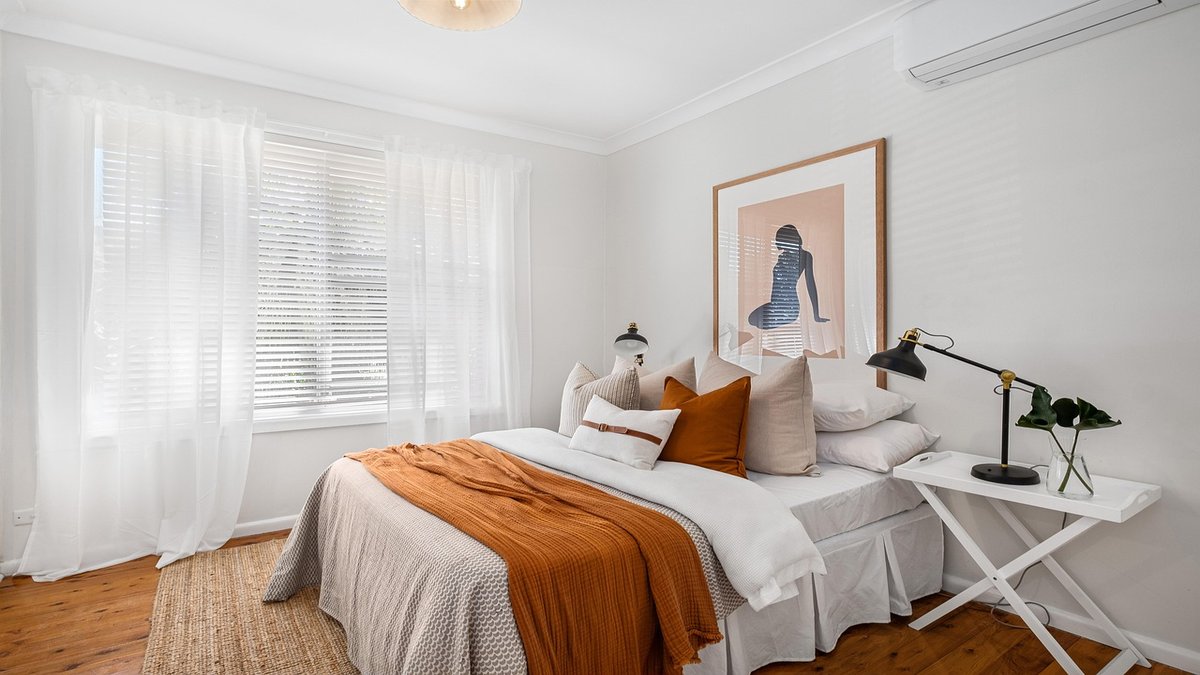
Bright-toned furniture, particularly in shades of white or beige, further amplifies this effect. Lighter colors reflect more light, making a room appear brighter and airier. They also reduce visual weight, contributing to a clean and uncluttered aesthetic that is highly valued in small-space design. This "simple is the best" philosophy helps to minimize visual noise and create a calm, expansive environment. While a predominantly white or beige palette can sometimes feel sterile, adding strategic accent colors through smaller items like pastel cushions or fragrant candles can inject personality and warmth without overwhelming the space. Full-length mirrors are another powerful tool, as they literally expand the visual field, making a room appear twice its size by reflecting the existing space.
The Impact of Low-Height Furniture
In a narrow space, large and tall furniture can make the room feel oppressive and smaller than it actually is. Low-height furniture, however, allows for an unobstructed view across the room, creating a seamless visual flow. This trick of the eye makes the ceiling appear higher and the walls seem further apart. For instance, instead of a tall dining cabinet, a low side table or a kitchen island with open shelving beneath can provide functionality without sacrificing perceived space. Even a low-profile bed frame, as opposed to a high platform bed, contributes to this open aesthetic. This is especially relevant in a combined kitchen and living area, where maintaining clear sightlines is crucial for a unified and airy feel.
Embracing Bright Tones
Color psychology plays a significant role in how we perceive space. Bright tones, such as whites, creams, and light grays, are known to make rooms appear larger and more inviting. These colors reflect natural and artificial light more effectively, brightening up corners and reducing shadows that can make a small room feel dark and enclosed. In a kitchen, bright cabinetry, countertops, and even small appliances can collectively contribute to a fresh, clean, and spacious atmosphere. The principle of "simple is the best" (심플 이즈 더 베스트) applies here, advocating for a minimalist color palette that reduces visual clutter and promotes a sense of calm. This approach can transform a tight kitchen into a serene and functional area.
Strategic Accent Colors and Mirrors
While bright base colors create a spacious canvas, accent colors prevent the space from feeling monotonous. These can be introduced through small, easily changeable elements like kitchen towels, decorative plates, a colorful fruit bowl, or even a potted plant (플랜테리어). These pops of color add personality and depth without overwhelming the light and airy feel. For example, a white kitchen with a few pastel-toned accessories can feel both expansive and vibrant.
Full-length mirrors are a timeless trick for expanding small spaces. By reflecting the room, they create an illusion of greater depth and width. In a small kitchen or adjacent dining area, a well-placed mirror can bounce light around, making the space brighter and seemingly larger. For optimal effect, choose mirrors with thin, light-toned frames that blend seamlessly with the bright furniture and overall aesthetic, enhancing the feeling of openness rather than adding visual weight.
What Are Smart Storage Solutions for Small Korean Kitchens?
Smart storage solutions are vital for maximizing functionality and maintaining order in small Korean kitchens, where space is often limited. These clever approaches aim to utilize every available nook and cranny, transforming overlooked areas into valuable storage real estate. The goal is to keep essential items accessible while minimizing clutter, ensuring the kitchen remains both practical and visually appealing. For more details, see Harpers Bazaar Korea on architect Yoo Hyun-joon's tips.
One highly effective strategy involves leveraging often-unused spaces, such as under-bed drawers. While not directly in the kitchen, these can store kitchen-related items that are not frequently accessed, like seasonal tableware, bulky kitchen gadgets, or entertaining supplies. This frees up prime kitchen cabinet space for daily essentials. Beds with built-in drawers or storage compartments are increasingly popular in studio apartments, offering a dual function of comfort and discreet storage. For items stored here, it is advisable to keep those that do not require frequent retrieval, such as spare linens, tools, or travel essentials, minimizing the effort of bending and reaching [https://zippoom.com/%EB%B8%94%EB%A1%9C%EA%B7%B8/%EC%9B%94%EB%B8%94-%EC%9D%B8%ED%85%8C%EB%A6%AC%EC%96%B4-%EA%BF%80%ED%8C%81/200].
Wall shelves are another cornerstone of small kitchen organization. They transform empty vertical wall space into functional storage, eliminating the need for bulky floor-standing units. Depending on their placement and design, wall shelves can serve multiple functions: a bookshelf for cookbooks, a display area for decorative items, a compact desk for meal planning, or even a small dining table. This versatility makes them multi-functional furniture, maximizing utility per square foot. In the kitchen specifically, shelves can be installed above the sink or along an unused wall to store dishes, spices, or small appliances, keeping countertops clear.
For clothing storage, which can easily spill over into living or kitchen areas in a studio apartment, multi-tier hangers offer a flexible and space-saving solution. Available in 1-tier, 2-tier, or 3-tier configurations, these hangers can be assembled without drilling into walls, making them ideal for renters. They allow for systematic organization of various clothing types, from long coats hung high to skirts and pants on lower tiers, optimizing vertical space within a closet or a designated corner [https://zippoom.com/%EB%B8%94%EB%A1%9C%EA%B7%B8/%EC%9B%94%EB%B8%94-%EC%9D%B8%ED%85%8C%EB%A6%AC%EC%96%B4-%EA%BF%80%ED%8C%81/200]. Beyond clothing, similar tiered systems can be adapted for kitchen use, such as rolling carts with multiple shelves.
Maximizing Vertical Space with Wall Shelves
Wall shelves are indispensable in small kitchens. They exploit the often-underutilized vertical space, freeing up valuable countertop and floor area. Open shelving can display attractive dishware, spices, or small plants, adding both storage and decorative elements. In a kitchen, installing shelves above the sink or along an empty wall allows for immediate access to frequently used items like cups, bowls, or cooking ingredients. This approach, as seen in various small apartment designs, creates an open and airy feel compared to traditional upper cabinets, which can appear bulky. Some designs even incorporate hooks under wall shelves for hanging utensils or mugs, further enhancing efficiency.
Under-Bed Storage for Infrequent Items
While not directly in the kitchen, under-bed storage is a strategic overflow solution for items that don't need daily access but might otherwise clutter a small apartment. This could include seasonal kitchen linens, specialty bakeware, or bulk-purchased non-perishable goods. Many modern beds come with built-in drawers, or separate storage boxes can be used to slide under the bed frame. This method keeps the kitchen dedicated to active cooking and dining necessities, preventing it from becoming a general storage area. The inconvenience of bending to access these items is offset by the significant space saved in primary living areas.
Multi-Tier Hangers and Utility Carts
For items that require more mobility or flexible storage, multi-tier hangers and kitchen utility carts are excellent choices. While multi-tier hangers are primarily for clothes, the concept of tiered, vertical organization applies broadly. In the kitchen, a multi-tiered utility cart can serve as a mobile pantry for produce, extra dishes, or cleaning supplies. These carts are especially useful in narrow kitchens where fixed cabinets are scarce, as they can be rolled out of the way when not in use. They offer adaptable storage, making them a practical addition to any small kitchen setup. Some homeowners opt for pipe trolleys with glass tops to create small, movable tea tables, showcasing the versatility of these multi-functional pieces.
Sink Area Optimization
The area around the kitchen sink is often a hub of activity and can quickly become cluttered. Smart storage solutions here focus on maximizing efficiency and keeping things tidy. Wall-mounted shelves or racks above the sink are perfect for drying dishes, storing sponges, or holding dish soap, allowing water to drip directly into the sink. Hooks installed on the wall or under shelves can hang frequently used utensils, mugs, or cutting boards, keeping them within easy reach and off the limited counter space. This vertical organization around the sink not only saves space but also promotes hygiene by allowing items to air dry properly.
How Do Architects Advise Maximizing Space in Studio Apartments?
Architects offer insightful strategies for maximizing space in studio apartments, moving beyond mere physical dimensions to consider the psychological impact of design. Architect Yoo Hyun-joon, for example, emphasizes creating an illusion of greater space by manipulating perception and memory, rather than solely relying on physical expansion [https://www.harpersbazaar.co.kr/article/74930]. His advice centers on making a small space feel larger through intelligent arrangement, decluttering, and establishing personal order.
One of Yoo Hyun-joon's key recommendations is to "rearrange to add scenes" (장면을 더하는 재배치). He suggests placing furniture like a TV or a bookshelf in the center of a studio apartment. This seemingly counterintuitive placement creates multiple pathways and viewpoints within the room, forcing the resident to experience the space from different angles. This generates diverse memories and visual impressions, which, in turn, make the space feel larger than its actual physical dimensions. "Space is not an absolute physical quantity, but the sum of memories," said Architect Yoo Hyun-joon (translated from Korean). This approach transforms a single, undifferentiated room into a collection of varied experiences, expanding its perceived size.
Beyond rearrangement, Yoo Hyun-joon strongly advocates for the "aesthetic of powerful emptiness" (강력한 비움의 미학). He advises that the most effective studio apartment interior involves "throwing things away" (물건을 버리는 것). This means getting rid of items that are rarely used, such as clothes not worn in two years, which he suggests donating. Unused items or those hidden away for an unknown future purpose have no place in a studio apartment. Embracing minimalism is crucial for preventing clutter and allowing the existing space to breathe, contributing to a sense of openness and tranquility.
Finally, Yoo Hyun-joon highlights the importance of creating personal rules and maintaining order to foster affection for one's living space. He believes that affection for a space arises "when I impose rules on the space." He draws an analogy to gardening, a hobby where individuals cultivate a world with chosen plants and flowers. "Gardening is about building a world of my own with the flowers and trees I choose on dozens of pyeong of land. The reason it makes me happy is because I give all the rules within it," explained Architect Yoo Hyun-joon (translated from Korean). Applying this principle to interior design, he suggests creating personal systems for organizing clothes, such as specific hanging orders or color arrangements. This sense of control and intentionality makes residents feel more connected to and proud of their environment, enhancing their overall satisfaction with a small living space.
Creating Multiple Scenes Through Rearrangement
Architect Yoo Hyun-joon's concept of adding "scenes" to a room is about breaking the monotony of a single, open space. By strategically placing a large piece of furniture, like a room divider, a tall bookshelf, or even a television stand, in the middle of a studio apartment, you create different visual paths and focal points. This encourages movement and exploration within the room, making it feel less like a single box and more like a series of interconnected, yet distinct, areas. For example, a central bookshelf can separate a sleeping area from a living or dining space, without building a solid wall. This mental segmentation makes the apartment feel more dynamic and spatially complex, tricking the brain into perceiving greater expanse.
The Power of Decluttering
The "aesthetic of powerful emptiness" is a direct call to radical decluttering. In small spaces, every item has a magnified impact on the overall feel. Unnecessary belongings quickly accumulate, creating visual noise and making the apartment feel smaller and more chaotic. Yoo Hyun-joon's advice to discard items not used for an extended period is a practical step towards achieving this emptiness. This isn't just about tidiness; it's about intentional living and ensuring that only items that truly add value or joy are kept. A decluttered space not only looks larger but also feels more peaceful and less stressful, allowing the design elements to stand out.
Fostering Affection Through Rules and Organization
Beyond simply cleaning, establishing personal rules for organization transforms a space into something more meaningful. This means developing a system that resonates with your personal habits and preferences. For example, deciding on a specific method for folding laundry, arranging books by color or genre, or designating a spot for every item in the kitchen. This act of imposing order, much like tending a garden, creates a sense of ownership and pride. When you actively participate in shaping and maintaining the environment, you develop a stronger emotional connection to it. This personal investment makes even a tiny apartment feel more like a cherished home rather than just a temporary dwelling. For more details, see Today's House advice on small space utilization.
Can Lighting Transform the Perception of a Small Kitchen?
Yes, lighting can dramatically transform the perception of a small kitchen, making it feel more expansive, inviting, and atmospheric. Lighting is considered one of the most cost-effective and easiest interior design elements to manipulate, offering immense power to alter the visual and emotional landscape of a room. Architect Yoo Hyun-joon highlights lighting as the "pinnacle of cost-effective interior design," emphasizing its ability to completely change a room's atmosphere [https://www.harpersbazaar.co.kr/article/74930].
The reason lighting is so effective is that humans perceive space primarily through visual cues. By adjusting the brightness and shadows (명암) in a room, lighting can create new visual scenes and influence how depth and breadth are perceived. Think of how a flashlight can change the mood of a face depending on where it shines; similarly, strategic lighting can highlight certain areas, draw attention away from others, and create an illusion of greater space. For a small kitchen, this means using various light sources to layer illumination, rather than relying on a single overhead light.
Warm-toned LED lights are particularly recommended, even inexpensive ones costing 10,000 to 20,000 Korean Won. These lights emit a soft, inviting glow that can instantly make a small kitchen feel cozier and more welcoming. By switching on different lights one by one, you can subtly shift the entire ambiance of the room, creating different "scenes" that contribute to the architect's idea of "the sum of memories" for a space. This layering of light, from task lighting over countertops to accent lighting for shelves, allows for flexibility and the creation of varied moods, making a small kitchen feel more dynamic and less confined.
The Power of Illumination
Lighting is more than just about visibility; it's about mood and perception. In a small kitchen, proper illumination can reduce dark corners that make a space feel cramped. Bright, well-distributed light can make the walls appear to recede, expanding the perceived boundaries of the room. This is particularly true for kitchens, which often have limited natural light. Strategic placement of fixtures, such as under-cabinet lighting, track lighting, or even small pendant lights, can eliminate shadows and highlight key areas, making the space feel more open and functional.
Creating Depth with Brightness and Shadows
The interplay of light and shadow is crucial for creating depth in a small space. Instead of uniform, flat lighting, which can make a room feel one-dimensional, varying the intensity and direction of light can add visual interest and dimension. For example, task lighting directly over the sink or prep areas ensures functionality, while softer, indirect lighting can be used to illuminate decorative shelves or a backsplash, creating a focal point. This contrast between brighter and dimmer areas tricks the eye into perceiving greater depth, making the kitchen feel larger than it is. The ability to adjust these light levels allows for adaptability, from bright and functional during cooking to soft and ambient for dining.
Warm Tones and Mood Transformation
The color temperature of light significantly impacts a room's atmosphere. Cool, blue-toned lights can feel stark and clinical, which might be suitable for a professional kitchen but less so for a cozy home. Warm-toned LED lights, with their yellowish glow, create a much more inviting and comfortable ambiance. This warmth can soften the edges of a small kitchen, making it feel more intimate and less confined. Even inexpensive LED lights, available for 10,000-20,000 Korean Won, can achieve this effect, proving that significant atmospheric changes don't require a large budget [https://www.harpersbazaar.co.kr/article/74930]. By layering warm lights, such as recessed ceiling lights, under-cabinet strips, and even small table lamps or candles, residents can easily transform their kitchen's mood to suit different times of day or activities, enhancing the overall living experience in a compact space.
What are Innovative Furniture Choices for Compact Kitchens and Living Areas?
Innovative furniture choices for compact kitchens and living areas in Korean apartments focus on versatility, multi-functionality, and space-saving designs to maximize utility without overwhelming the limited floor plan. These choices are essential for creating a comfortable and efficient home where every piece serves a purpose, often more than one.
Daybeds, also known as sofa beds, are an excellent solution for small spaces where it's challenging to accommodate both a bed and a sofa. They seamlessly combine the functions of a comfortable sleeping area and a seating arrangement, making them ideal for studio apartments or guest rooms. During the day, a daybed can be dressed with cushions and throws to serve as a stylish sofa for relaxing, watching TV, or reading. At night, it easily converts into a bed. Personalizing a daybed can be done by pairing a plain duvet with uniquely designed cushions or combining simple cushions with a geometrically patterned duvet, allowing for individual expression even in a compact setting [https://ohou.se/advices/429].
Bunk beds, often referred to as loft beds, offer another highly effective way to double the usable floor space in a small room. By elevating the sleeping area, the space underneath becomes available for other functions. This lower area can be transformed into a cozy two-person sofa arrangement, a dedicated workspace with a desk, or even a small lounge area. The secluded nature of the space beneath a bunk bed can also foster a more focused and comfortable environment for work or relaxation. This design is particularly popular for children's rooms or studio apartments where distinct zones are desired without taking up additional floor area.
Folding beds provide a practical solution for those who prioritize open floor space during the day. While some might argue against their comfort compared to a traditional bed, they offer the ultimate flexibility to reclaim floor space when not in use. These beds can be neatly folded away, making the room available for other activities like exercise, dining, or entertaining guests. This choice is particularly appealing for individuals who frequently host or who desire a minimalist living environment where the bed disappears during waking hours.
Furthermore, integrating low-height storage units and versatile tables is key. Low-height storage units, when arranged continuously, can create a visual line that makes a space appear longer and more expansive, rather than breaking up the line of sight with tall, bulky furniture. For dining and work, a single large table can serve multiple functions, acting as both a dining table and a desk. If space is extremely limited, a좌식 책상 (floor-level desk) can be used with floor cushions, offering a flexible setup that can be easily tucked away. When purchasing separate desks and chairs, it's crucial to consider the height difference to ensure ergonomic comfort.
Daybeds and Sofa Beds for Dual Functionality
The daybed epitomizes multi-functional furniture, crucial for small Korean apartments. It transitions effortlessly from a daytime lounging spot to a nighttime sleeping area. This eliminates the need for two separate pieces of furniture, saving significant floor space. Homeowners can customize daybeds with various textiles and cushions to match their interior style, making them both practical and aesthetically pleasing. For example, a simple, monochromatic duvet can be paired with vibrant, uniquely patterned cushions to add a touch of personality to the space. This adaptability makes daybeds a smart investment for optimizing living space.
Bunk Beds for Vertical Living
Bunk beds, or loft beds, are a clever way to utilize vertical space, effectively creating two levels within a single room footprint. The elevated bed frees up the entire area underneath, which can be configured in numerous ways. This space might house a compact two-person sofa, transforming the area into a mini-living room, or a dedicated desk and chair setup, perfect for remote work or study. The enclosed nature of the lower bunk area can also provide a sense of privacy and coziness, making it an ideal personal retreat within a larger studio apartment. This vertical stacking is a hallmark of efficient small-space design, offering maximum utility from minimal square footage.
Folding Beds for Maximum Flexibility
For those who value maximum open floor space, folding beds are an innovative option. While they require daily setup and takedown, they allow the room to completely transform throughout the day. This flexibility means a bedroom can become a yoga studio, a spacious dining area, or a large entertaining space at will. This choice is particularly suited for individuals with a minimalist lifestyle or those who frequently entertain guests and need the option to clear the floor. The trade-off in convenience is often outweighed by the benefit of having a truly adaptable living environment. For more details, see Zippoom's guide to studio apartment interior tips.
Multi-functional Tables and Low Storage
In small kitchens and living areas, tables often need to serve multiple roles. A single, generously sized table can function as a dining table, a workspace, and even an additional prep area in the kitchen. For extremely tight spaces, a "좌식 책상" (floor-level desk) combined with floor cushions offers a flexible alternative that can be easily moved or stored, clearing the floor entirely. When selecting standalone desks and chairs, it's critical to ensure their heights are compatible for ergonomic comfort. Low-height storage units are also beneficial; when placed in a continuous line, they draw the eye horizontally, making the room appear longer and less cluttered, contributing to an overall sense of spaciousness.
How Can You Create a Sense of Openness and Order?
Creating a sense of openness and order in a small apartment, particularly in the kitchen and adjacent living areas, involves a deliberate approach to furniture, color, and storage that prioritizes visual clarity and minimizes clutter. The goal is to make the space feel larger and more inviting, rather than cramped and chaotic.
A primary step is to avoid high, bulky furniture. In narrow spaces, large and tall pieces can obstruct sightlines, making the room feel smaller and more enclosed. Instead, opt for lower-profile furniture that allows the eye to travel freely across the room, contributing to an expansive feeling. For instance, instead of a tall, heavy china cabinet, consider open wall shelves or a low side table in the kitchen area. This principle extends to all areas of a studio apartment, where bulky items can quickly dominate and shrink the perceived space [https://zippoom.com/%EB%B8%94%EB%A1%9C%EA%B7%B8/%EC%9B%90%EB%B8%94-%EC%9D%B8%ED%85%8C%EB%A6%AC%EC%96%B4-%EA%BF%80%ED%8C%81/200].
Choosing a consistent color scheme, with a focus on bright, simple tones like white or beige, is crucial for minimizing visual clutter and enhancing openness. Lighter colors reflect more light, making a room feel brighter and airier, and they create a seamless backdrop that prevents the space from feeling choppy or confined. This "simple is the best" approach helps to create a calm, cohesive environment. While a predominantly light palette can be accented with small pops of color through decorative items, the overall impression should be one of understated elegance and spaciousness. In a kitchen, white or light-colored cabinetry and countertops can dramatically open up the area.
Utilizing recessed shelves or built-in storage is another highly effective method for maintaining clean lines and maximizing space. Instead of having storage units protrude into the room, integrating them flush with the walls creates an uncluttered look. In a 61㎡ (approximately 18-pyeong) apartment in Malmø, Sweden, for example, a renovated space utilized ceiling-height built-in storage cabinets in the kitchen. This design kept items neatly hidden and maintained a sleek, minimalist aesthetic, proving that even extensive storage can be seamlessly integrated into a small footprint [https://m.blog.naver.com/bessgo/221449737767]. Such solutions prevent items from becoming "eyesores" that occupy space, ensuring that every belonging has its designated, discreet place.
The Problem with Bulky Furniture
High, bulky furniture can act as visual barriers, breaking the flow of a small room and making it feel fragmented. In a kitchen, this could mean heavy upper cabinets that extend to the ceiling, or a large, dark pantry unit. While these provide storage, they can also absorb light and make the space feel heavier and more enclosed. Opting for open shelving, lower base cabinets, or even transparent storage solutions can alleviate this issue. The goal is to maintain an uninterrupted line of sight as much as possible, allowing the eye to sweep across the room without encountering large obstacles.
The Cohesion of Color Schemes
A consistent, light color scheme is foundational for creating a sense of openness. White, beige, light gray, and other neutral tones reflect light effectively, brightening the space and making it feel larger. In a small kitchen, this means selecting cabinetry, countertops, and even appliances in complementary light colors. This creates a cohesive look that minimizes visual distractions and prevents the space from feeling cluttered. The absence of jarring color contrasts allows the room to flow seamlessly, making it feel more expansive and tranquil. If desired, small, carefully chosen accent colors can be introduced through accessories, but the overall palette should remain light and airy.
Seamless Built-in Storage Solutions
Built-in storage is a premium solution for small apartments because it uses space efficiently without adding visual bulk. Recessed shelves, floor-to-ceiling cabinets, and custom-built units that fit perfectly into alcoves or along walls can store a significant amount of items while maintaining a smooth, uncluttered surface. In a kitchen, this could be a pantry built into a wall, or drawers integrated flush with the cabinetry. This approach not only maximizes storage capacity but also contributes to a minimalist aesthetic, making the kitchen appear cleaner and more spacious. The Swedish apartment example with ceiling-height built-in storage perfectly illustrates how even extensive storage can be made to disappear, preserving the sense of openness in a compact dwelling.
Frequently Asked Questions
What is the most effective way to make a small apartment feel larger?
The most effective way to make a small apartment feel larger is through a combination of strategic furniture choices, decluttering, and thoughtful lighting. Architect Yoo Hyun-joon suggests rearranging furniture to create multiple visual "scenes," making the space feel more expansive through diverse memories [https://www.harpersbazaar.co.kr/article/74930]. Additionally, using low-height, bright-toned furniture, such as white or beige, helps to open up the space by reflecting light and reducing visual obstructions. Decluttering by removing unused items is also crucial, as a clean, minimalist environment naturally feels larger.
How can I use lighting to improve my small kitchen's ambiance?
Lighting is a highly effective and cost-efficient tool for improving a small kitchen's ambiance. By using warm-toned LED lights, even inexpensive ones costing 10,000-20,000 Korean Won, you can dramatically change the mood [https://www.harpersbazaar.co.kr/article/74930]. Layering different light sources, such as under-cabinet lighting for tasks and softer ambient lighting for atmosphere, creates depth and varying scenes. This interplay of brightness and shadows helps to make the kitchen feel more dynamic and less confined, allowing you to adjust the mood for cooking or dining.
What kind of furniture is best for a studio apartment?
For a studio apartment, multi-functional and space-saving furniture is best. Daybeds (sofa beds) are ideal as they combine sleeping and seating functions, saving significant floor space. Bunk beds (loft beds) are excellent for maximizing vertical space, allowing for a sofa or desk underneath the sleeping area [https://ohou.se/advices/429]. Low-height furniture in bright tones, such as white or beige, also helps to create a sense of openness and makes the space feel larger. Additionally, folding beds offer ultimate flexibility by allowing you to reclaim floor space when the bed is not in use.
How can I organize my clothes in a small space without a large wardrobe?
Organizing clothes in a small space without a large wardrobe can be achieved with smart, flexible solutions. Multi-tier hangers (1-3 tiers) are highly recommended as they utilize vertical space efficiently and do not require drilling into walls, making them suitable for renters [https://zippoom.com/%EB%B8%94%EB%A1%9C%EA%B7%B8/%EC%9B%90%EB%B8%94-%EC%9D%B8%ED%85%8C%EB%A6%AC%EC%96%B4-%EA%BF%80%ED%8C%81/200]. These can be customized to hang different lengths of clothing. Under-bed drawers or storage boxes can also store seasonal clothes or items not frequently worn, freeing up prime space. Architect Yoo Hyun-joon also advises decluttering by donating clothes not worn in two years to reduce overall volume.
Why is decluttering so important in Korean small apartment design?
Decluttering is critically important in Korean small apartment design because it directly impacts both the perceived size and the psychological comfort of a limited space. Architect Yoo Hyun-joon emphasizes the "aesthetic of powerful emptiness," stating that "the most effective studio apartment interior is to throw things away" [https://www.harpersbazaar.co.kr/article/74930]. Unused or hidden items consume valuable space and create visual noise, making a small apartment feel cramped and chaotic. By removing non-essential belongings, residents can create a cleaner, more organized, and ultimately more expansive and peaceful living environment.
Sources
- https://www.harpersbazaar.co.kr/article/74930
- https://zippoom.com/%EB%B8%94%EB%A1%9C%EA%B7%B8/%EC%9B%90%EB%B8%94-%EC%9D%B8%ED%85%8C%EB%A6%AC%EC%96%B4-%EA%BF%80%ED%8C%81/200
- https://ohou.se/advices/429
- https://m.blog.naver.com/bessgo/221449737767
Related Reading
- Korean Small Kitchen Organization Ideas
- Best Space-Saving Korean Furniture for Studio Apartments
- Best Korean Furniture for Small Apartments
- Korean Kitchen Island Ideas for Apartments
- Best Korean Apartment Lighting for Small Spaces
— The Self Interior Team