How Korean Buyers Renovate After Purchase
- Tenants often spend ₩15-20 million (approximately $11,000-$15,000 USD) on renovations for jeonse homes, even knowing they won't get the money back (translated from Korean) [https://www.teamblind.com/kr/post/%EC%A0%84%EC%84%B8%EC%9D%B8%EB%8D%B0-%EC%82%AC%EB%B9%84%EB%A1%9C-%EC%9D%B8%ED%85%8C%EB%A6%AC%EC%96%B4-%ED%95%98%EB%8A%94-%EC%82%AC%EB%9E%8C%EB%93%A4-w20FcmvW].
Last updated: April 2026
Affiliate Disclosure: We may earn a commission when you purchase through our links. This does not affect our editorial independence.
Quick Answer
- Tenants often spend ₩15-20 million (approximately $11,000-$15,000 USD) on renovations for jeonse homes, even knowing they won't get the money back (translated from Korean) [https://www.teamblind.com/kr/post/%EC%A0%84%EC%84%B8%EC%9D%B8%EB%8D%B0-%EC%82%AC%EB%B9%84%EB%A1%9C-%EC%9D%B8%ED%85%8C%EB%A6%AC%EC%96%B4-%ED%95%98%EB%8A%94-%EC%82%AC%EB%9E%8C%EB%93%A4-w20FcmvW].
- Major structural changes like painting walls or expanding rooms require written landlord consent [https://www.maisonkorea.com/interior/2023/12/%EB%8B%A8%EA%B3%84%EB%B3%84%EB%A1%9C-%EC%95%8C%EC%95%84%EB%B3%B4%EB%8A%94-%EC%A0%84%EC%85%8B%EC%A7%91-%EC%9D%B8%ED%85%8C%EB%A6%AC%EC%96%B4/].
- Small decorations, furniture, and appliances can be changed freely without landlord approval [https://www.maisonkorea.com/interior/2023/12/%EB%8B%A8%EA%B3%84%EB%B3%84%EB%A1%9C-%EC%95%8C%EC%95%84%EB%B3%B4%EB%8A%94-%EC%A0%84%EC%85%8B%EC%A7%91-%EC%9D%B8%ED%85%8C%EB%A6%AC%EC%96%B4/].
- Today's House features over 6,369 search results for 'jeonse interior' (전세 인테리어), showcasing various decoration and self-renovation ideas (translated from Korean) [https://ohou.se/cards/feed?query=%EC%A0%84%EC%84%B8%20%EC%9D%B8%ED%85%8C%EB%A6%AC%EC%96%B4].
Korean buyers frequently undertake significant renovations in their jeonse (long-term rental) homes, even though they are aware they may not recover the investment. This trend is driven by a strong desire to personalize living spaces to match individual lifestyles and aesthetic preferences. While minor cosmetic changes like furniture and small decorations are freely allowed, more substantial alterations such as painting walls or changing flooring require written consent from the landlord. Despite the "original condition restoration" clause, which obligates tenants to return the property to its initial state, many are willing to invest their own money, sometimes as much as ₩15-20 million (around $11,000-$15,000 USD), to create a comfortable and stylish environment during their tenancy [https://www.teamblind.com/kr/post/%EC%A0%84%EC%84%B8%EC%9D%B8%EB%8D%B0-%EC%82%AC%EB%B9%84%EB%A1%9C-%EC%9D%B8%ED%85%8C%EB%A6%AC%EC%96%B4-%ED%95%98%EB%8A%94-%EC%82%AC%EB%9E%8C%EB%93%A4-w20FcmvW]. This highlights a cultural emphasis on home as a personal sanctuary, even when it's not a permanent residence.
What are the Rules for Renovating a Jeonse Home?
Renovating a jeonse home in Korea comes with specific rules and obligations that tenants must understand before making any changes. The core principle revolves around the distinction between minor, reversible cosmetic updates and major structural or permanent alterations. While tenants have considerable freedom with temporary decor, significant modifications require landlord approval and come with the responsibility of restoring the property to its original condition at the end of the lease.
Obtaining Landlord Consent for Major Changes
For any major structural changes, tenants must obtain written consent from their landlord. This includes actions like painting walls a different color, installing new flooring, or making changes to the room layout. For example, if a tenant wishes to expand a room or remove a partition wall, this would be considered a "대수선" (major repair or alteration) and would require explicit permission [https://www.maisonkorea.com/interior/2023/12/%EB%8B%A8%EA%B3%84%EB%B3%84%EB%A1%9C-%EC%95%8C%EC%95%84%EB%B3%B0%EB%8A%94-%EC%A0%84%EC%85%8B%EC%A7%91-%EC%9D%B8%ED%85%8C%EB%A6%AC%EC%96%B4/]. The landlord typically holds the right to demand "원상 복구" (original condition restoration) at the tenant's expense when the lease agreement ends. This means that if a tenant paints the walls red or replaces the carpet, they are responsible for repainting and restoring the original flooring before moving out, or they risk deductions from their security deposit. It is crucial for tenants to review their lease agreements thoroughly, as these often contain specific clauses regarding modifications and the condition in which the property must be returned. Some agreements may explicitly forbid certain types of alterations or require specific materials for restoration.
Freedom with Minor Decorations and Furnishings
In contrast to major structural changes, tenants have much more freedom when it comes to minor decorations, furniture, and appliances. These items can be changed or added without needing the landlord's approval. This allows tenants to personalize their living space significantly without violating their lease terms. Examples of permissible changes include bringing in new furniture, installing modern appliances, or adding small decorative items. Tenants can hang shelves or artwork by drilling small holes, lay down new carpets, or update light fixtures, as long as these changes do not permanently alter the building's structure or facilities [https://www.maisonkorea.com/interior/2023/12/%EB%8B%A8%EA%B3%84%EB%B3%84%EB%A1%9C-%EC%95%8C%EC%95%84%EB%B3%B0%EB%8A%94-%EC%A0%84%EC%85%8B%EC%A7%91-%EC%9D%B8%ED%85%8C%EB%A6%AC%EC%96%B4/]. The emphasis here is on items that can be easily assembled, disassembled, removed, or replaced without causing lasting damage. This distinction between permanent and temporary alterations is key to understanding the boundaries of jeonse renovations. Many tenants opt for solutions like removable wallpaper, simple overlay flooring, or modular furniture that can be taken with them when they move, minimizing restoration costs and effort.
Tenant's Obligations for Maintenance and Restoration
Beyond the initial consent for renovations, tenants also have ongoing legal obligations to maintain and manage the property during their lease period. While normal wear and tear—such as natural fading of wallpaper or paint, or carpet wear over several years—is generally not held against the tenant, they are responsible for replacing consumables. More importantly, tenants are accountable for any damages caused by their own actions or negligence. This includes flaws, holes, tape residue on walls, or scratches on furniture that were not present at the start of the lease. According to the original condition restoration principle, these damages must be addressed and made unnoticeable before the tenant vacates the property. Failure to do so can result in the landlord deducting repair costs from the security deposit. This emphasizes the importance of careful planning and execution for any renovation project in a jeonse home. Tenants are encouraged to perform restoration tasks themselves, such as repainting walls, filling holes, or re-caulking, to avoid potential deductions and ensure a smooth exit from the property. They should thoroughly inspect the home before moving out and perform any necessary repairs or cleaning to prevent the security deposit from being reduced.
Why Do Tenants Spend Their Own Money on Jeonse Renovations?
It might seem counterintuitive for tenants to invest their own money in renovating a jeonse home, especially when they know they won't recoup the costs. However, this practice is quite common in Korea and is driven by a combination of personal desires, market realities, and a deep appreciation for one's living environment. For many, a home is more than just a place to sleep; it's a personal sanctuary that must reflect their style and support their lifestyle, regardless of ownership status.
The Desire for Personalization and Lifestyle Alignment
A primary reason tenants invest in jeonse renovations is the strong desire to personalize their living space to match their unique tastes and lifestyle. As one commenter on Blind Korea noted, "Today's House makes it seem like everyone is crazy about remodeling and interior design... I guess they want to decorate beautifully and feel good and show off while they live there" (translated from Korean) [https://www.teamblind.com/kr/post/%EC%A0%84%EC%84%B8%EC%9D%B8%EB%8D%B0-%EC%82%AC%EB%B9%84%EB%A1%9C-%EC%9D%B8%ED%85%8C%EB%A6%AC%EC%96%B4-%ED%95%98%EB%8A%94-%EC%82%AC%EB%9E%8C%EB%93%A4-w20FcmvW]. This sentiment highlights the importance of aesthetics and personal comfort in Korean home culture. Many individuals spend a significant portion of their lives at home, and an environment that feels unwelcoming or doesn't align with their preferences can negatively impact their well-being. Therefore, tenants are willing to spend money to create a space that feels truly their own, even if it's temporary. This includes not just aesthetic changes but also functional improvements that enhance daily living, such as optimizing kitchen layouts or improving lighting for better ambiance and productivity. The investment is seen as a cost for quality of life during the tenancy, rather than a long-term asset.
Perceived Value and Market Realities
Another significant factor is the perceived value of the renovation relative to the housing market. In some cases, tenants may find that even with the added cost of renovations, their current jeonse home offers better overall value compared to other available properties. For instance, a tenant might secure an older jeonse apartment at a lower deposit, and then invest in modernizing it to their standards. A commenter on Blind Korea illustrated this point: "Even if you think about spending that extra 20 million, you might not be able to find a better house than that one. If spending 20 million to remodel a 100 million won house makes it better than a 150 million won house, I'd do it too" (translated from Korean) [https://www.teamblind.com/kr/post/%EC%A0%84%EC%84%B8%EC%9D%B8%EB%8D%B0-%EC%82%AC%EB%B9%84%EB%A1%9C-%EC%9D%B8%ED%85%8C%EB%A6%AC%EC%96%B4-%ED%95%98%EB%8A%94-%EC%82%AC%EB%9E%8C%EB%93%A4-w20FcmvW]. This perspective suggests that the renovation cost is absorbed into the overall perceived value of living in that specific, improved space. For example, a discussion on Blind Korea revealed that two households in an old 4-story villa in Seoul each spent approximately ₩15-20 million (around $11,000-$15,000 USD) on renovations for their jeonse units, without expecting reimbursement from the landlord [https://www.teamblind.com/kr/post/%EC%A0%84%EC%84%B8%EC%9D%B8%EB%8D%B0-%EC%82%AC%EB%B9%84%EB%A1%9C-%EC%9D%B8%ED%85%8C%EB%A6%AC%EC%96%B4-%ED%95%98%EB%8A%94-%EC%82%AC%EB%9E%8C%EB%93%A4-w20FcmvW]. This indicates a strategic decision to enhance their current living situation rather than move to a more expensive, already-renovated property.
Self-Satisfaction and Quality of Life
Ultimately, for many Korean tenants, the investment in jeonse renovations boils down to self-satisfaction and an improved quality of life. The home is where people spend their most private and intimate moments, and ensuring that this space brings joy and comfort is a high priority. As another commenter on Blind Korea put it, "Rather than showing off, these are people for whom their living space, where they spend the most time, cannot be unsatisfactory" (translated from Korean) [https://www.teamblind.com/kr/post/%EC%A0%84%EC%84%B8%EC%9D%B8%EB%8D%B0-%EC%82%AC%EB%B9%84%EB%A1%9C-%EC%9D%B8%ED%85%8C%EB%A6%AC%EC%96%B4-%ED%95%98%EB%8A%94-%EC%82%AC%EB%9E%8C%EB%93%A4-w20FcmvW]. This perspective highlights that the motivation isn't always external validation but an internal need for a comfortable and aesthetically pleasing environment. The satisfaction derived from living in a beautifully designed and functional home often outweighs the financial loss of renovation costs. This is particularly true for individuals who value their immediate surroundings as a source of peace and inspiration. The act of renovating itself can also be a fulfilling creative outlet, transforming a generic rental unit into a personalized haven.
What Are Popular Renovation Strategies for Rental Homes?
Korean tenants employ clever and often reversible renovation strategies to transform their rental homes into personalized spaces without violating lease agreements or incurring excessive restoration costs. These strategies typically focus on decorative elements, modular solutions, and smart home technologies that can be easily installed and removed. The goal is to maximize aesthetic appeal and functionality while minimizing permanent alterations to the property.
Decorative Enhancements and Temporary Fixtures
One of the most popular strategies involves making decorative enhancements that do not alter the building's core structure. This includes simple yet impactful changes like hanging shelves, artwork, or mirrors to personalize wall spaces. Tenants can drill small holes for these fixtures, as long as they are prepared to fill them upon moving out. Another common approach is to update flooring with new carpets or temporary overlay materials that can be easily removed. For example, a user on Today's House (Ohou.se) shared how they used warm-toned rugs and vintage check curtains, along with beige tile sheets, to create a cozy, warm atmosphere in a kitchen that lacked sunlight. They also incorporated oak-toned wooden furniture to complement existing cherry moldings, demonstrating how temporary elements can create a cohesive look [https://ohou.se/cards/feed?query=%EC%A0%84%EC%84%B8%20%EC%9D%B8%ED%85%8C%EB%A6%AC%EC%96%B4]. These changes allow for significant visual transformation without requiring landlord consent for major structural work. Removable wallpaper or wall decals are also frequently used to change the ambiance of a room without permanent paint jobs.
Kitchen and Bedroom Upgrades
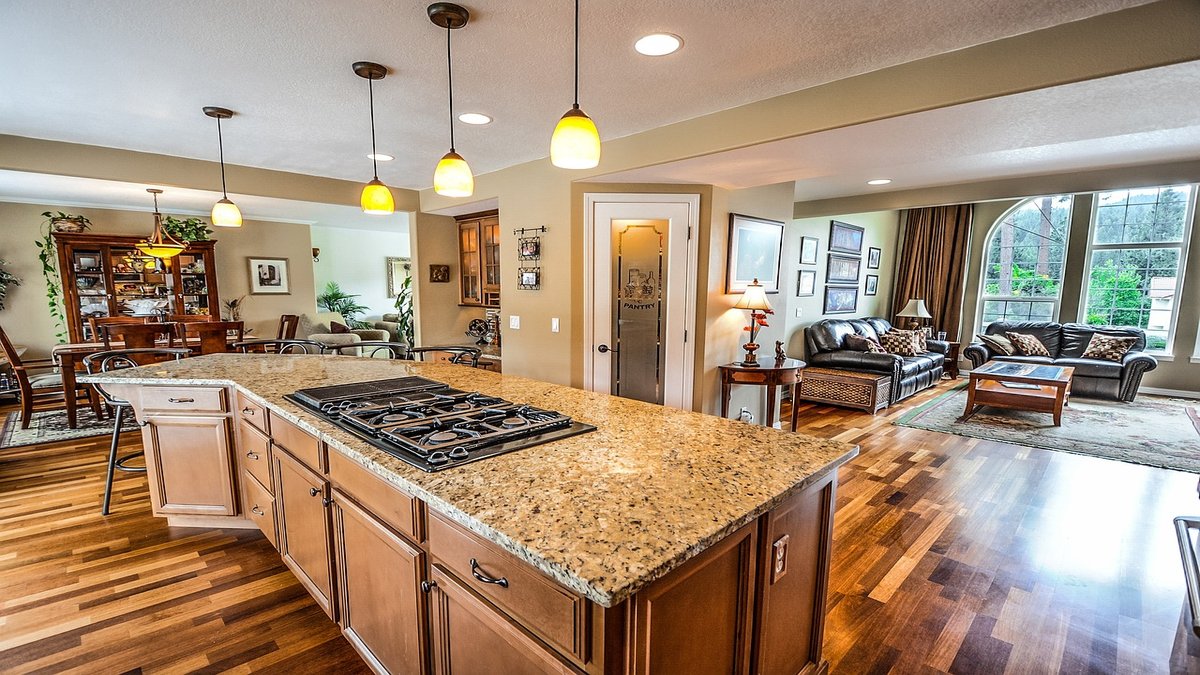
Kitchen and bedroom upgrades are high on the list for many tenants, as these are central to daily living and comfort. In compact city apartments, where the kitchen often serves as the heart of the home, a well-executed kitchen remodel can breathe new life into the entire space. Since full renovations are often restricted, tenants focus on elements like stylish finishes, minimalist design, and incorporating smart appliances that can be easily removed or replaced. A Today's House user mentioned that their rented home had a linear kitchen with insufficient counter space. They solved this by purchasing a ready-made island, which provided both cooking space and storage, and could be arranged in a straight line or L-shape [https://ohou.se/cards/feed?query=%EC%A0%84%EC%84%B8%20%EC%9D%B8%ED%85%8C%EB%A6%AC%EC%96%B4]. This shows how modular furniture can address functional needs in a rental.
For bedrooms, lighting plays a crucial role in creating a cozy atmosphere and adding a design accent. Tenants frequently use pendant lights, mood lights, or wall lamps to enhance the warmth and character of their sleeping areas. Installing a bed headboard with built-in lighting can also add both decorative effect and increased utility. These types of lighting fixtures are typically easy to install and remove, making them ideal for rental properties. The focus is on creating a personal sanctuary where comfort and aesthetics converge.
Modern Lighting and Smart Home Systems
Modern lighting solutions and smart home systems are increasingly popular for their ability to add contemporary flair and convenience without permanent alterations. Recessed lighting, which can be installed without visible wires, is a popular choice for a sleek, modern look. Spotlights can be used to highlight artwork, while indirect lighting can add mood and functionality to various areas like dressing rooms, shelves, shoe cabinets, and bathrooms [https://www.maisonkorea.com/interior/2023/12/%EB%8B%A8%EA%B3%84%EB%B3%84%EB%A1%9C-%EC%95%8C%EC%95%84%EB%B3%B0%EB%8A%94-%EC%A0%84%EC%85%8B%EC%A7%91-%EC%9D%B8%ED%85%8C%EB%A6%AC%EC%96%B4/]. Many of these lighting solutions are designed for easy installation and removal, making them suitable for rental properties.
Smart home systems represent another significant area of renovation for convenience and modernity. Modern smart appliances go beyond mere functionality, featuring advanced hardware and elegant designs. These systems can include remote control for temperature, lighting, security, and entertainment, offering one-touch convenience for daily life [https://www.maisonkorea.com/interior/2023/12/%EB%8B%A8%EA%B3%84%EB%B3%84%EB%A1%9C-%EC%95%8C%EC%95%84%EB%B3%B0%EB%8A%94-%EC%A0%84%EC%85%8B%EC%A7%91-%EC%9D%B8%ED%85%8C%EB%A6%AC%EC%96%B4/]. Tenants can install smart hubs and devices that can be easily uninstalled and taken with them when they move, allowing them to enjoy the benefits of a connected home even in a rental. This approach transforms a standard living space into a high-tech, comfortable environment without permanent structural changes.
For a USD-converted view of the actual line-item costs behind these projects, see our Korean Self-Interior Reno: Costs Translated to USD [2026 Guide].
How Do Tenants Handle Restoring the Property to its Original Condition?
Restoring a jeonse property to its original condition is a critical responsibility for tenants in Korea, governed by legal obligations and the specific terms of their lease agreements. This process ensures that the landlord receives the property back in a state comparable to when it was first rented, accounting for normal wear and tear but holding the tenant accountable for any damages caused during their stay. Understanding these responsibilities is essential for a smooth move-out and to avoid deductions from the security deposit.
Legal Obligations and Tenant Responsibilities
During the lease period, tenants have a legal obligation to maintain and manage the property properly. This means taking reasonable care of the premises and ensuring that any damages beyond normal wear and tear are addressed. While landlords typically do not hold tenants responsible for natural aging processes, such as the gradual fading of wallpaper or paint, or the wear of carpets over several years, tenants are responsible for replacing consumables. For instance, if a light bulb burns out or a filter needs changing, the tenant is expected to cover these costs. More significantly, any damage resulting from the tenant's actions, whether accidental or intentional, falls under their responsibility. This includes flaws, holes in walls (beyond small picture hooks), tape residue, or scratches on furniture. These types of damages must be rectified by the tenant before they vacate the property, in accordance with the "original condition restoration" principle [https://www.maisonkorea.com/interior/2023/12/%EB%8B%A8%EA%B3%84%EB%B3%84%EB%A1%9C-%EC%95%8C%EC%95%84%EB%B3%B0%EB%8A%94-%EC%A0%84%EC%85%8B%EC%A7%91-%EC%9D%B8%ED%85%8C%EB%A6%AC%EC%96%B4/].
Distinguishing Between Normal Wear and Tear and Tenant Damage
A key aspect of restoration is distinguishing between what is considered normal wear and tear and what constitutes tenant-caused damage. Normal wear and tear refers to the deterioration that naturally occurs over time with regular use, such as marks from picture frames on walls or the general aging of carpets. These are generally accepted as part of the property's natural lifecycle and are not typically the tenant's responsibility to repair. However, damages that are clearly a result of the tenant's actions or negligence are their full responsibility. For example, cigarette smoke stains on walls, significant holes in carpets, or deep scratches on permanent fixtures are considered tenant-caused damages. These must be repaired or restored by the tenant to the condition they were in at the start of the lease. The distinction is often outlined in the lease agreement and can be a point of contention if not clearly understood by both parties. It is advisable for tenants to document the property's condition with photos or videos at the beginning and end of their tenancy to avoid disputes.
Preventing Security Deposit Deductions
The most significant consequence of failing to meet restoration obligations is the potential deduction from the security deposit. Landlords have the right to withhold funds from the deposit to cover the costs of repairs or cleaning needed to restore the property to its original condition. To avoid this, tenants often undertake restoration tasks themselves. This might involve repainting walls to their original color, filling holes in walls, resealing silicone in bathrooms, or performing thorough cleaning. For example, if a tenant painted a room red, they would need to repaint it to a neutral, original color before moving out. By actively performing these tasks, tenants can ensure that the property meets the landlord's expectations and protect their full security deposit. It is a common practice for tenants to thoroughly inspect the home before vacating, addressing any noticeable issues themselves to prevent the landlord from commissioning professional services and charging a higher fee. This proactive approach not only saves money but also ensures a smoother transition for both the tenant and the landlord. For more details, see Korean Jeonse Interior Guide.
Can Tenants Negotiate Financial Support for Improvements?
While the general rule in jeonse homes is that tenants bear the cost of their desired interior improvements, there are situations where negotiation for financial support from the landlord is possible. This usually occurs when the proposed improvements also benefit the property owner by addressing functional defects, improving the property's overall condition, or increasing its long-term value. Such negotiations require open communication and a clear understanding of mutual benefits.
Identifying Mutually Beneficial Improvements
The key to successfully negotiating financial support for improvements lies in identifying projects that offer mutual benefits. If an improvement addresses a functional defect, such as a broken fixture, a hygiene issue, or problems with heating and insulation, landlords are often more willing to contribute. These types of repairs enhance the property's livability and value, making it more attractive to future tenants. For instance, if the heating system is inefficient or the windows provide poor insulation, upgrading these could lead to reduced utility costs for future occupants and improve the property's marketability. In such cases, a tenant might propose an upgrade that goes beyond a simple repair, offering to cover a portion of the cost for a more extensive improvement. This collaborative approach recognizes that while the tenant benefits from an improved living environment, the landlord gains a more valuable and well-maintained asset. This is a practical approach, as improving the functional condition of the house is beneficial for both parties [https://www.maisonkorea.com/interior/2023/12/%EB%8B%A8%EA%B3%84%EB%B3%84%EB%A1%9C-%EC%95%8C%EC%95%84%EB%B3%B0%EB%8A%94-%EC%A0%84%EC%85%8B%EC%A7%91-%EC%9D%B8%ED%85%8C%EB%A6%AC%EC%96%B4/].
Coordinating with Existing Repair Needs
Tenants can also leverage existing repair needs as an opportunity to discuss interior upgrades with their landlord. If a part of the house requires repair due to wear and tear or a malfunction, it might be an opportune moment to propose a more significant upgrade. For example, if a bathroom fixture is broken and needs replacement, the tenant could suggest installing a more modern or aesthetically pleasing fixture, offering to pay the difference in cost or a portion of the upgrade. This approach can be appealing to landlords who might already be planning to spend money on repairs, as it allows them to achieve a higher-quality outcome with shared financial responsibility. By coordinating interior design considerations with necessary repair work, tenants can sometimes secure financial assistance or at least a shared cost arrangement for improvements that they desire but might not typically be covered by the landlord. This requires a proactive approach from the tenant, presenting a clear proposal that outlines the benefits for both parties and a transparent cost breakdown.
Formalizing Agreements and Mutual Respect
Any agreements regarding financial contributions for improvements should be formalized in writing to prevent misunderstandings later. This written agreement should clearly state what improvements will be made, who will bear which costs, and how the "original condition restoration" clause will be applied to the new improvements. For instance, if a landlord agrees to contribute to new flooring, the agreement should specify whether the tenant is still responsible for restoring the original flooring upon departure, or if the new flooring becomes a permanent fixture. Mutual respect and open communication are paramount throughout this process. As a tenant, adhering to the special clauses in the signed real estate contract from the moment residency begins is crucial [https://www.maisonkorea.com/interior/2023/12/%EB%8B%A8%EA%B3%84%EB%B3%84%EB%A1%9C-%EC%95%8C%EC%95%84%EB%B3%B0%EB%8A%94-%EC%A0%84%EC%85%8B%EC%A7%91-%EC%9D%B8%ED%85%8C%EB%A6%AC%EC%96%B4/]. Both parties benefit from a clear understanding of their rights and obligations. A well-documented agreement ensures that both the tenant's investment in their living space and the landlord's property value are protected, fostering a positive landlord-tenant relationship throughout the lease term.
What Are the Emerging Interior Design Trends for 2026?
The interior design landscape for 2026 in Korea, much like global trends, is shifting towards an emphasis on core values rather than fleeting fads. This means a strong focus on functionality, smart technology, sustainability, and comfort, moving beyond mere stylistic changes to create integrated, harmonious living environments. The overarching philosophy embraces timelessness and intrinsic beauty, reflecting a deeper appreciation for the home as a stable and comforting sanctuary in a rapidly changing world.
The Rise of 'Fundamentalism' (근본이즘)
A key trend identified for 2026 is "Fundamentalism" (근본이즘). This concept, highlighted in 『Trend Korea 2026』 by Professor Kim Nan-do's research team at Seoul National University, signifies a return to unchanging values amidst rapid change [https://www.lxzin.com/styling/style-trend/detail/8180]. Instead of chasing the latest trends, this approach centers on forms and functions that endure and do not easily tire over time. It reflects a growing desire for stability, authenticity, and essential beauty. In interior design, Fundamentalism translates into a preference for classic styles, traditional crafts, and an "Anemoia" sentiment—a nostalgia for past eras one has not personally experienced. This trend encourages the integration of elements that evoke a sense of heritage and timeless quality, such as well-crafted wooden furniture, natural materials, and designs that prioritize comfort and longevity over novelty. It's about creating spaces that offer a sense of grounding and emotional resilience, providing a calm retreat from the fast-paced digital world.
Integration of Smart Technology and Sustainability
The 2026 interior design trends are heavily influenced by the integration of smart technology and a commitment to sustainability. Designers are increasingly focused on creating "integrated environments" that seamlessly blend advanced technology with eco-conscious practices. This means incorporating smart home systems that offer functionality, security, and entertainment through remote control, while also considering the environmental impact of materials and energy consumption. For example, designers are exploring materials with low environmental footprints, energy-efficient lighting, and systems that optimize heating and cooling. The goal is to create living spaces that are not only convenient and comfortable but also mindful of their ecological impact. This shift reflects a growing awareness among homeowners about the importance of sustainable living and the desire for homes that are both technologically advanced and environmentally responsible. The market is competitive and expectations are high, requiring designers to have clear insights into the elements shaping the next generation of residential spaces [https://www.oppoliahome.com/ko/2026%EB%85%84-%EC%9D%B8%ED%85%8C%EB%A6%AC%EC%96%B4-%EB%94%94%EC%9E%90%EC%9D%B8-%ED%8A%B8%EB%A0%8C%EB%93%9C/].
Emphasis on Functionality and Comfort
Beyond aesthetics, the emerging trends for 2026 place a strong emphasis on functionality and comfort. Homes are seen as places for rest, rejuvenation, and efficient living. This translates into designs that prioritize ergonomic solutions, adaptable spaces, and materials that contribute to well-being. Furniture choices lean towards pieces that offer both comfort and multi-functionality, allowing spaces to adapt to various activities, from work to relaxation. The selection of colors and textures focuses on creating a serene and inviting atmosphere, using natural palettes and soft, tactile materials. The idea is to create spaces that support the inhabitants' physical and mental health, offering a sense of stability and peace. This trend is a direct response to the increasing demands of modern life, where the home serves as a crucial refuge. Minimalist interior design, known for its clean lines and focus on essential elements, continues to be a key trend for 2026, aligning perfectly with the emphasis on functionality and comfort [https://www.ajd.co.kr/contents/basic-tip/detail/%EC%9C%A0%ED%96%89_%EC%95%88%ED%83%80%EB%8A%94_2026_%EC%9D%B8%ED%85%8C%EB%A6%AC%EC%96%B4_%ED%8A%B8%EB%A0%8C%EB%93%9C_%EA%B3%B5%EA%B0%9C_:%EB%AF%B8%EB%8B%88%EB%A9%80%EC%9D%B8%ED%85%8C%EB%A6%AC%EC%96%B4_%EC%8B%9C%EA%B3%B5_%EA%B0%80%EC%9D%B4%EB%93%9C-85039].
Frequently Asked Questions
What is a 'jeonse' home in Korea?
A 'jeonse' home is a unique rental system in Korea where tenants pay a large, lump-sum security deposit (often 50-80% of the property's value) to the landlord instead of monthly rent. This deposit is held by the landlord for the duration of the lease and is fully returned to the tenant at the end of the contract, assuming the property is restored to its original condition. This system allows tenants to live rent-free, with the landlord earning profit by investing the large deposit.
Do I need my landlord's permission to paint the walls in a jeonse home?
Yes, you generally need written consent from your landlord to paint the walls in a jeonse home. Painting is considered a significant alteration to the property's condition. The landlord has the right to demand "original condition restoration" upon lease termination, meaning you would be responsible for repainting the walls to their original color before moving out or face deductions from your security deposit [https://www.maisonkorea.com/interior/2023/12/%EB%8B%A8%EA%B3%84%EB%B3%84%EB%A1%9C-%EC%95%8C%EC%95%84%EB%B3%B4%EB%8A%94-%EC%A0%84%EC%85%8B%EC%A7%91-%EC%9D%B8%ED%85%8C%EB%A6%AC%EC%96%B4/].
Can I get my security deposit back if I renovate a jeonse home?
You can get your security deposit back, but only if you restore the property to its original condition, minus normal wear and tear. Any damages you caused or alterations you made (like painting or installing new flooring) must be reversed or repaired at your own expense. If you fail to do so, the landlord can deduct the repair costs from your security deposit [https://www.maisonkorea.com/interior/2023/12/%EB%8B%A8%EA%B3%84%EB%B3%84%EB%A1%9C-%EC%95%8C%EC%95%84%EB%B3%B0%EB%8A%94-%EC%A0%84%EC%85%8B%EC%A7%91-%EC%9D%B8%ED%85%8C%EB%A6%AC%EC%96%B4/].
What are some affordable ways to update a jeonse interior?
Affordable ways to update a jeonse interior include using easily removable items like new carpets, temporary overlay flooring, or removable wallpaper. You can also focus on decorative elements such as hanging artwork, installing shelves (being prepared to fill holes later), and updating lighting fixtures like pendant or mood lights. Modular furniture and smart home devices that can be taken with you when you move are also popular choices, as seen in the 6,369 search results for 'jeonse interior' on Today's House (Ohou.se) [https://ohou.se/cards/feed?query=%EC%A0%84%EC%84%B8%20%EC%9D%B8%ED%85%8C%EB%A6%AC%EC%96%B4].
What is 'Fundamentalism' (근본이즘) in Korean interior design?
'Fundamentalism' (근본이즘) in Korean interior design refers to a trend that prioritizes unchanging values, timeless forms, and essential functions over fleeting trends. It emphasizes stability, authenticity, and classic aesthetics, often incorporating traditional crafts and natural materials. This trend, highlighted in 『Trend Korea 2026』, reflects a desire for enduring beauty and comfort in a rapidly changing world, focusing on creating spaces that offer a sense of grounding and emotional resilience [https://www.lxzin.com/styling/style-trend/detail/8180].
Sources
- Korean Jeonse Interior Guide
- Blind Korea Discussion on Jeonse Renovations
- Today's House Jeonse Interior Photos
- New Apartment Move-in Review ②
- Interior Trends Korea 2026: Fundamentalism | LX Z:IN
- Timeless 2026 Interior Trends: Minimal Interior Construction Guide
- 2026 Interior Design Trends: What Designers Need to Know
Related Reading
- Top 10 Korean Interior Trends for 2026
- Korean Cottagecore Interior Trends
- Best 2026 Korean Interior Trends Ranked
- Korean French Style Interior Design Trends
- Korean Jeonse Apartment Interior Rules and Restrictions
— The Self Interior Team